
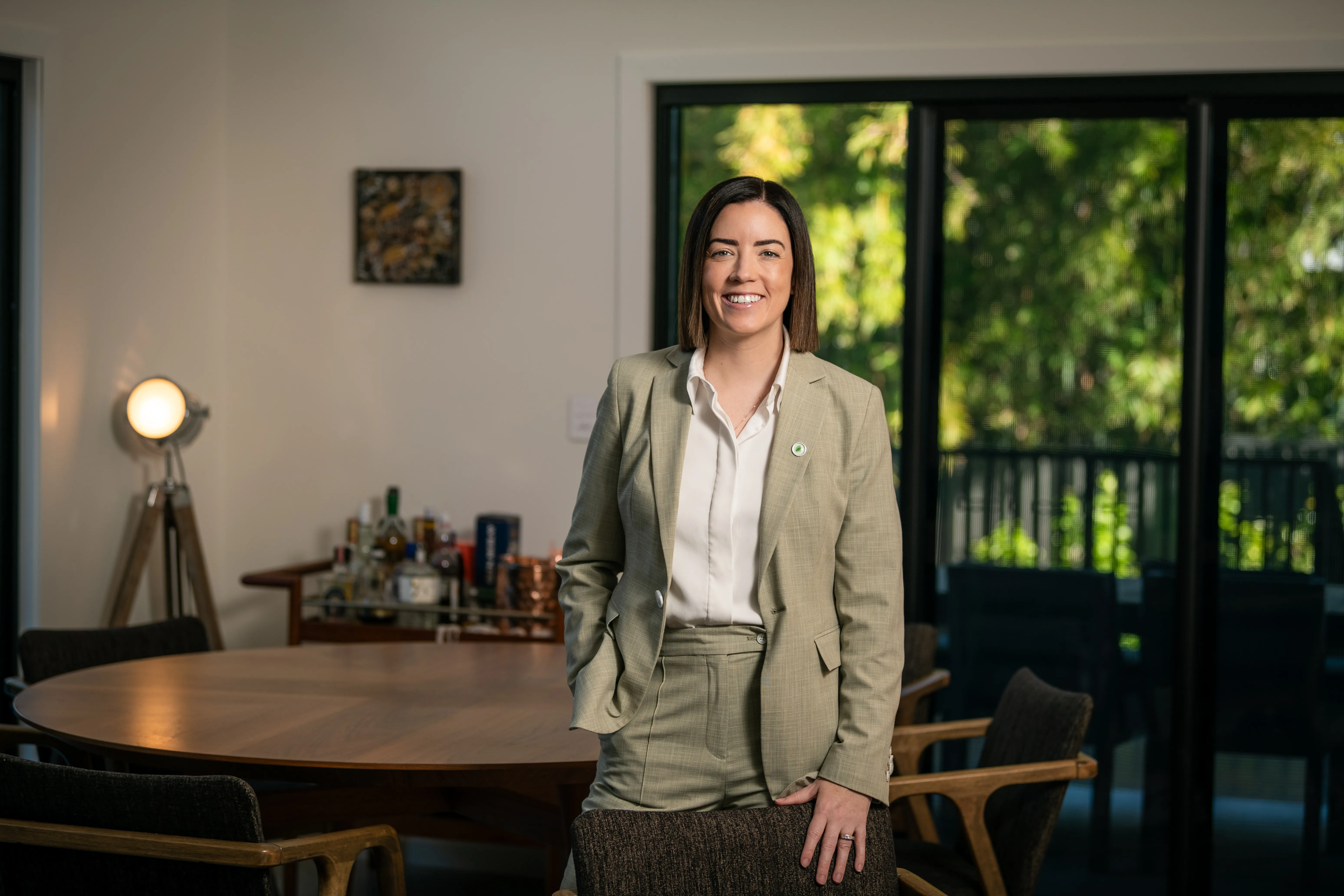
Most people spend more time worrying about what to wear for a headshot than they need to.
Should it be a suit? Is black too dark? Does a white shirt work? What about glasses? And if you normally work in jeans and a T-shirt, should you suddenly dress like a corporate executive?
After more than 20 years working across photography, design and advertising, I've learned that the best professional portraits rarely come from following a rigid dress code.
They come from making a few sensible decisions before the camera comes out.
Dress for the person your customers actually meet
A professional headshot should feel appropriate to your work, but it should also be recognisably you.
A financial adviser may need a formal portrait. An architect might look more natural in a simple shirt and jacket. A creative director could wear something more individual. A business owner might prefer a relaxed, approachable image rather than a traditional corporate photograph.
None of these choices is automatically better.
The important question is whether the photograph represents how you want to be seen professionally.
If you never wear a tie, you probably don't need one for your LinkedIn photograph. If you regularly meet customers in a suit, wearing one makes perfect sense.
The aim isn't to dress up as somebody else.
What colours photograph well?
There isn't one perfect colour for a professional headshot.
Navy, charcoal, muted blue, olive, burgundy and other mid-tone colours are generally easy to work with. They provide enough visual interest without competing with your face.
White and black can work beautifully too, but the background matters.
A white shirt against a white backdrop may lose some separation around the shoulders. A black jacket against a very dark background can create a similar problem.
Neither combination is necessarily wrong. It simply needs to be considered when choosing the lighting and background.
Bright colours aren't forbidden either. If a particular colour is part of your personality or business identity, it may be exactly the right choice.
What matters is how the clothing works with your skin tone, the background and the overall purpose of the photograph.

Fit matters more than the label
An expensive jacket that doesn't fit properly won't necessarily photograph better than a simple, well-fitted shirt.
In a headshot, the camera is usually close enough to reveal small details.
A collar that doesn't sit properly. A jacket pulling across the shoulders. Fabric bunching around the neckline. A shirt that looked fine standing in front of a mirror but changes shape when you turn.
These details become surprisingly noticeable in a photograph.
Before the session, check how your clothing looks from the chest upward.
That's the part most people will see in your LinkedIn profile, company biography or staff directory.
Make sure the clothes are clean, pressed and comfortable enough that you can move naturally.
Should you avoid patterns?
Not necessarily.
A subtle pattern can add character. A fine check or understated stripe may work perfectly well.
The problems usually start with very busy designs, large graphics, prominent slogans or tiny repeated patterns that can create distracting effects on camera.
If you're unsure, bring a plain alternative.
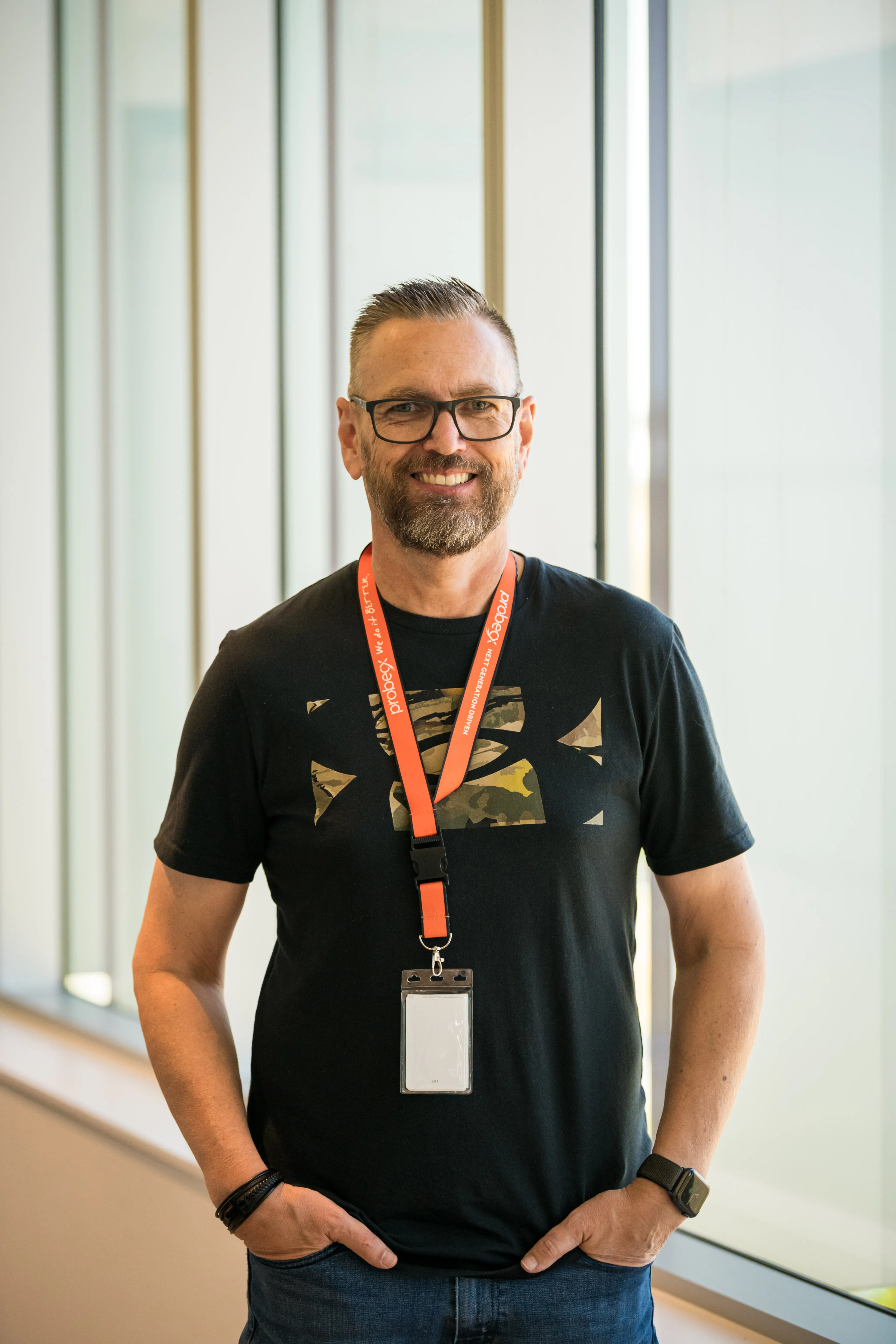
The same applies to company logos. A branded polo shirt may be completely appropriate for a tradesperson, hospitality manager or service business.
A large unrelated logo, however, can distract from the person wearing it.
The photograph should be about you.
One outfit or two?
For most individual headshot sessions, one well-chosen outfit and an alternative layer are enough.
A jacket can make a portrait more formal. Removing it can create a more relaxed version without changing the lighting or location.
For example, a business owner might want a jacket for their company website and an open-collar portrait for LinkedIn.
Both photographs can come from the same session.
If you're organising headshots for an entire team, consistency becomes more important than individual wardrobe changes.
That doesn't mean everyone needs to wear identical clothing.
It means the overall level of formality, colours and presentation should make sense when the portraits appear together on a website.
Glasses, hair and makeup
If you normally wear glasses, wear them.
A professional photograph should look like the person colleagues and customers recognise.
Reflections can usually be controlled through lighting and small adjustments to the position of your face or frames.
Make sure the lenses are clean before the session.
Hair and makeup are similar. The goal is generally to look polished without becoming unrecognisable.
If you wear makeup, use what feels natural to you. Heavy makeup isn't a requirement for a professional portrait.
For hair and facial hair, it's worth making any major changes a few days before the session rather than experimenting on the morning of the shoot.
And don't worry about every small detail. Good portrait photography includes careful lighting, direction and appropriate retouching.
It shouldn't require you to look perfect before arriving.
A Brisbane detail people often forget: the weather
Brisbane isn't always kind to carefully prepared corporate clothing.
Heat, humidity and the journey between the car park and the office can make a difference, particularly during warmer months.
If you're wearing a jacket or formal shirt, consider bringing it separately and changing when you arrive.
Give yourself a few minutes to cool down before the session.
A quick check of your hair, collar and face can make a bigger difference than spending another half-hour worrying about your wardrobe.
For workplace headshot days, a suitable indoor location with comfortable temperature and enough space for lighting helps everyone look and feel more relaxed.
What if you hate being photographed?
You're in good company.
A surprising number of people who are confident in their professional lives become uncomfortable as soon as a camera points towards them.
They suddenly don't know what to do with their hands, where to look or how to smile.
Clothing can help, but it won't solve everything.
The photographer needs to guide posture, expression and small changes in position. Good direction should feel like a conversation rather than a list of instructions.
You shouldn't have to arrive knowing how to pose.
In fact, the less you're thinking about the camera, the more natural the photograph usually becomes.
Think about where the photograph will be used
A LinkedIn profile photograph is displayed relatively small, often inside a circular crop.
That makes facial expression, framing and separation from the background especially important.
An image intended for a company website may need a different composition. A media biography, speaker profile or annual report might benefit from a little more space around the person.
This is worth discussing before the session.
One photograph can sometimes work across several platforms, but a few carefully planned variations give you more flexibility.
For LinkedIn specifically, choose a photograph that clearly represents your current appearance. The platform's own guidance emphasises that profile photos should reflect the person using the account.
What should you bring to your headshot session?
You don't need to arrive with a suitcase.
Your main outfit, one alternative shirt or top, and a jacket if appropriate will cover most situations.
Bring your usual glasses, a comb or brush and anything you normally use for a quick grooming adjustment.
If you're unsure about two clothing options, bring both. It's often much easier to make the decision once the background and lighting are in place.
For a team session, the organiser can share a simple clothing guide in advance so everyone arrives prepared.
The best professional headshot still looks like you
A good headshot shouldn't make you look like a different person.
It should make you look confident, approachable and comfortable in the role you actually have.
The clothes support that impression. The lighting, expression, composition and photographer's direction complete it.
You don't need to spend hundreds of dollars on a new outfit or adopt a corporate dress code that has nothing to do with your work.
Wear something that fits well, feels natural and represents the way you want people to see you.
The rest is what the photographer is there for.
Corporate Headshots in Brisbane
Post Studio photographs individuals, leadership teams and businesses throughout Brisbane and South East Queensland.
Sessions can take place at your workplace, on location or with a portable studio setup. Lighting, backgrounds and framing can be planned to create a consistent collection of portraits for LinkedIn, company websites, staff directories and marketing.
If you're planning an individual portrait or a company headshot day, get in touch to discuss the location, number of people and photographs you need.
Explore corporate headshots in Brisbane and corporate photography, or read the guide to professional photography pricing in Brisbane.
Planning your headshot session?
Tell me where the photographs will be used and how many people need portraits.
Get in touch