
Ask several photographers for a quote and you may get several very different numbers. That does not automatically mean most of them are wrong.
A short headshot session, a conference and a commercial campaign can all involve a camera for part of the day, but they are not the same job. Planning, equipment, travel, editing, delivery speed and image usage can change the scope long before the shoot starts.
The number of hours is only the visible part
Shoot time is easy to measure, so it gets most of the attention. But a two-hour booking does not mean two hours of work. Briefing, equipment preparation, travel, setup, file backup, selection, colour work, retouching, export and delivery all sit around the time on location.
For a straightforward event, much of that process is predictable. For a commercial shoot with several locations, products or people, planning can become a significant part of the job. Hourly rates are useful for some projects and a poor way to compare others.
What usually changes a photography quote?
The main variables are time on location, planning, post-production, image usage, travel and access, and turnaround.
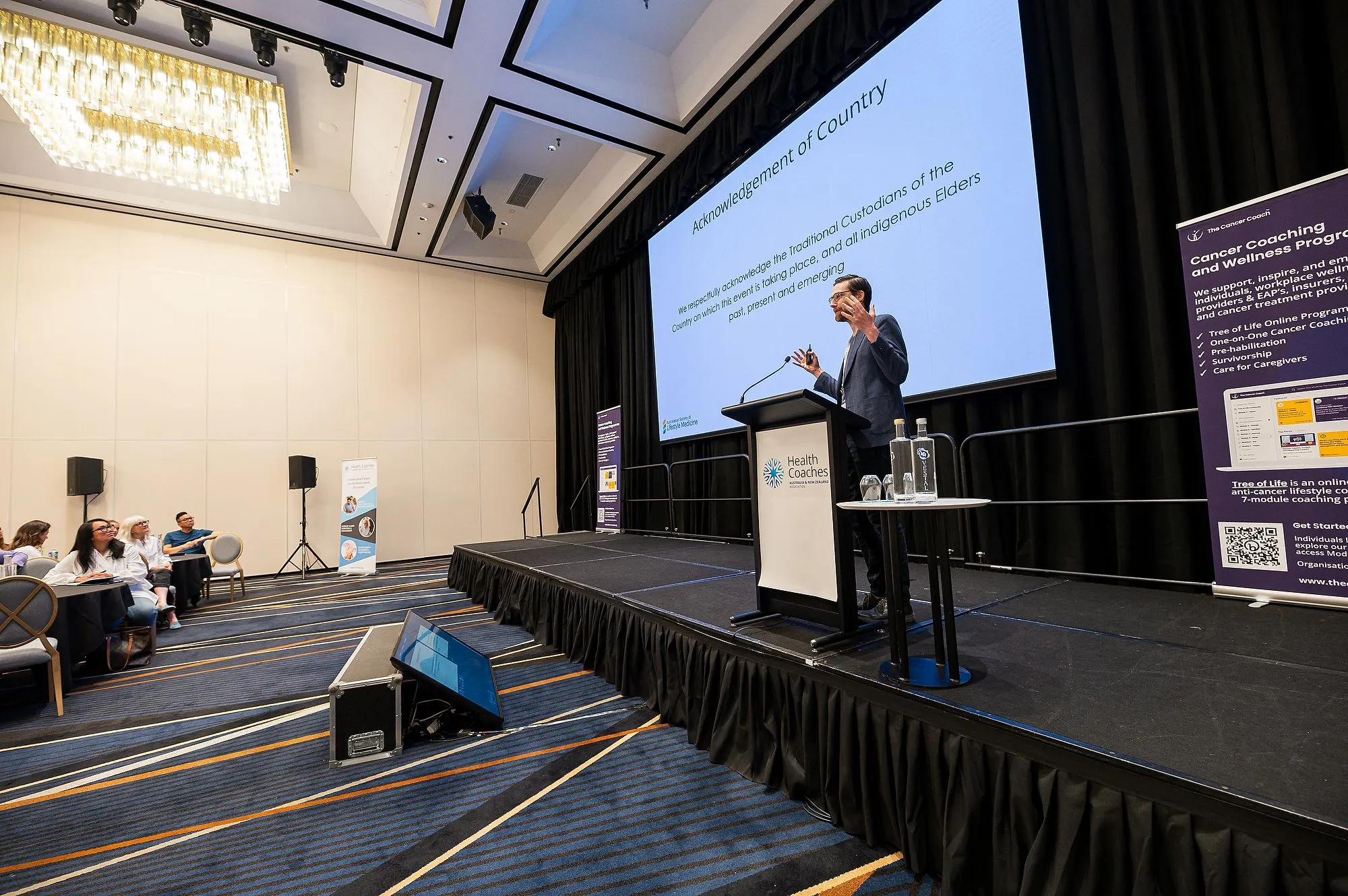
Speakers and panels
Clean photographs of keynote speakers, panel discussions, Q&A sessions and presentations. The strongest images usually include expression, gesture, stage context and branding without relying on repetitive podium shots.
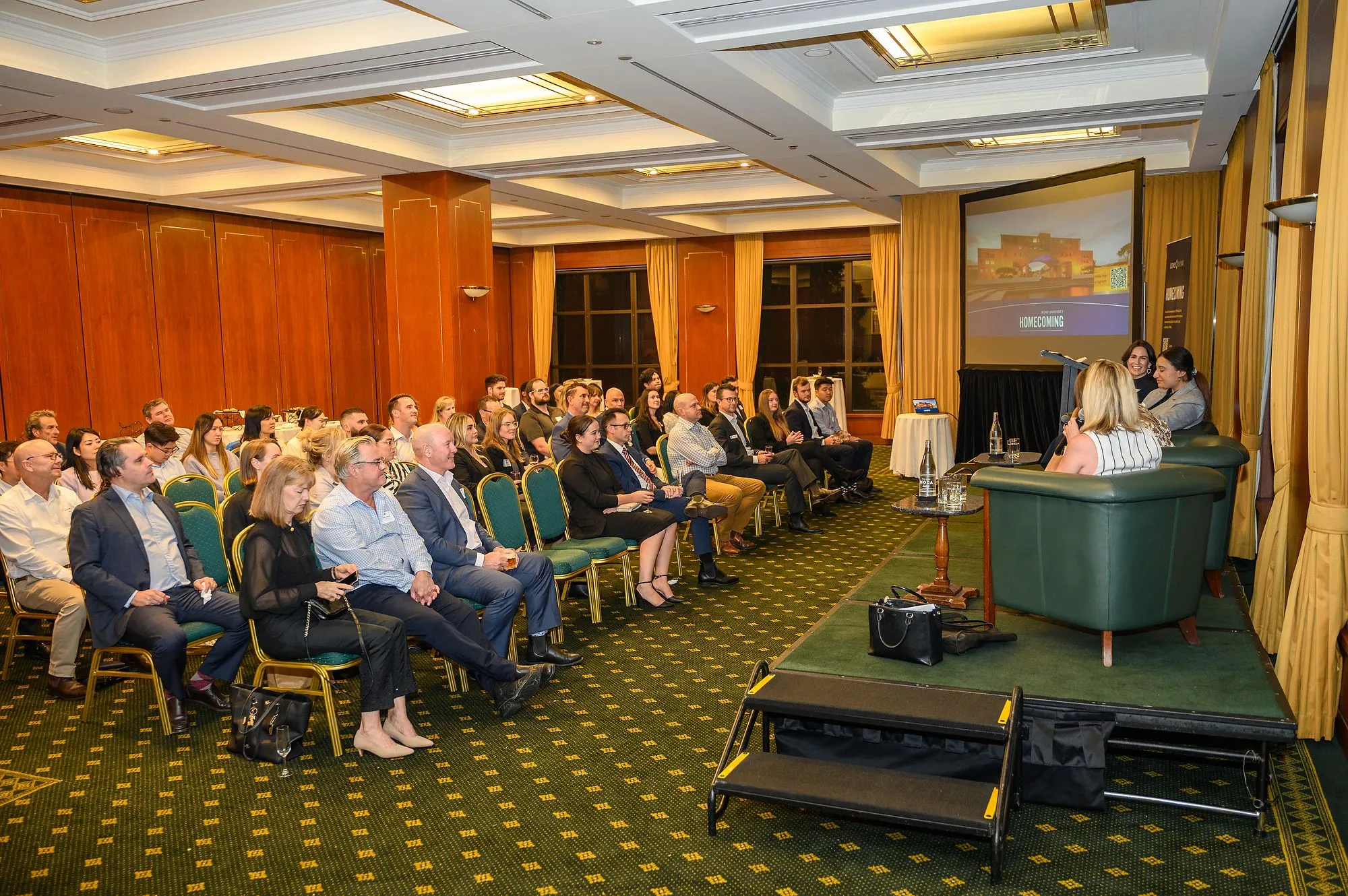
Audience and engagement
Listening, note-taking, laughter, questions and reactions make the event feel alive. These photographs are especially valuable when future marketing needs to demonstrate participation rather than simply show the stage.
Networking
Conversations between delegates, speakers and sponsors often communicate the value of a conference better than formal group photographs. These moments also give organisers more human material for social and editorial use.
Branding and sponsors
Signage, sponsor walls, screens, exhibition booths, branded activations and collateral need deliberate coverage. If sponsor visibility matters contractually, those priorities should be identified before the event.
Venue and scale
Wide room views, registration areas, breakout spaces and exhibition zones establish where the event happened and how large it felt. They are often among the most useful images for next-year promotion and venue relationships.
Details and atmosphere
Badges, programs, food, signage, presentation slides and small environmental details help complete the visual story and give designers useful supporting material.
Event photography is usually easier to estimate
For conferences, launches and corporate functions, the schedule gives the quote a clear shape. If coverage is needed from registration through the final presentation, the required time is fairly obvious.
The important thing is not to cut an hour from the booking if that hour contains something you actually need photographed.
Corporate photography depends on how many jobs the day needs to do
A company may start by asking for team photographs and then realise it also needs leadership portraits, workplace images, website banners and recruitment content. Combining those needs into one planned session can be efficient, but it changes the scope.
Commercial photography needs more context
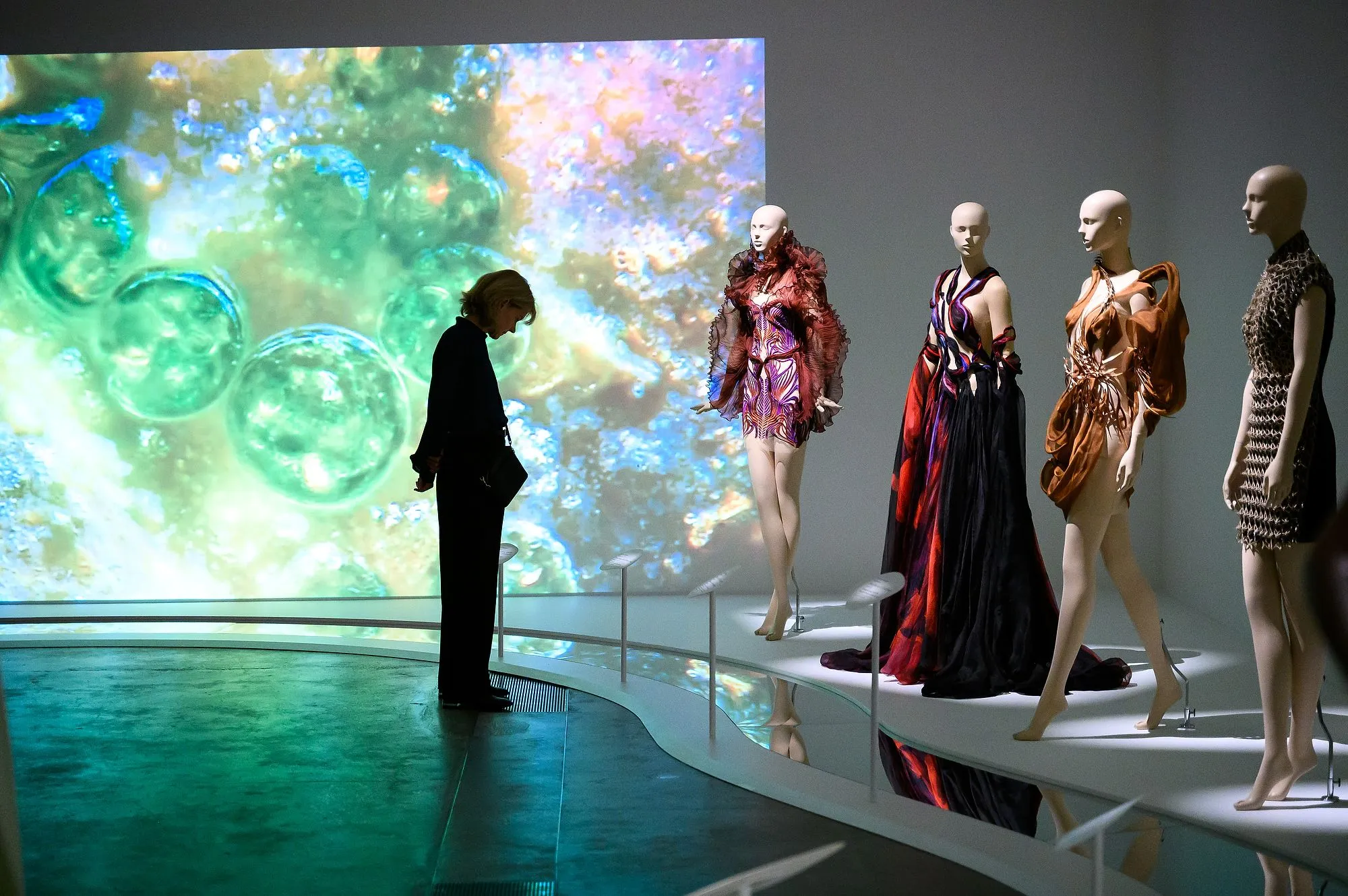
Commercial work can be simple or involved. Photographing a small set of products in one location is one thing. Building a campaign across several locations with staff, vehicles, food, interiors and video is another. Both are commercial photography, but one hourly figure tells you very little about the production.
Image usage matters here too. Photographs for a company website are not necessarily the same commercial use as images running in paid advertising, packaging or a national campaign. Usage is best discussed before the shoot rather than after delivery.
Why two quotes can look very different
One quote may include planning, editing, travel, image usage and a complete finished gallery, while another number covers attendance only. Put them side by side and the second looks cheaper until the missing pieces are added.
Before comparing totals, check what is actually included: preparation, hours, travel, post-production, expected deliverables, turnaround, usage and GST. You should be able to understand what you are buying.
What should you send to get an accurate quote?
You do not need a perfect creative brief. A useful first email can be short: what the project is, the date, location, approximate hours, what needs to be photographed and where the images will be used.
That information is far more useful than asking for a day rate with no context. It also gives the photographer a chance to suggest a more efficient way to structure the job.
So, what should you budget?
Professional photography briefs in Brisbane vary widely. Define the result first: how long coverage is needed, what must be delivered, how quickly it is needed and how the photographs will be used.
Once those points are clear, the quote should make sense. If two photographers are quoting very different amounts, compare the scope before comparing the final number.
Planning a conference, corporate event or industry forum?
Send the date, venue, approximate hours and run sheet. Post Studio can help shape the photography coverage around the moments and deliverables your team actually needs.
Discuss conference photography ↗