A corporate headshot used to mean one fairly predictable thing: a person, a plain background and a camera. That approach still works. But it is no longer the only useful option.
A lawyer joining a firm, a creative director building a personal website and a business owner updating LinkedIn may need very different photographs. A company photographing fifty people also has a different problem to solve from someone booking one portrait.
So should you choose a studio setup, an outdoor location or your office? Start with where the photograph needs to work. The location comes after that.
What makes a good professional headshot?
Before we talk about backgrounds, a good headshot needs to do a few basic things well. Your face should be easy to see. Your expression should feel believable. The light should suit you, and the photograph should fit the way you present yourself professionally.
The background matters because it changes how the portrait reads. A neutral background keeps attention on the person. A workplace can explain something about their role. An outdoor setting can make the image feel more open and informal.
None of those choices fixes an uncomfortable expression or poor lighting. I would rather have a relaxed person in a simple setting than a complicated location that takes over the photograph.
Studio headshots: clean, controlled and consistent
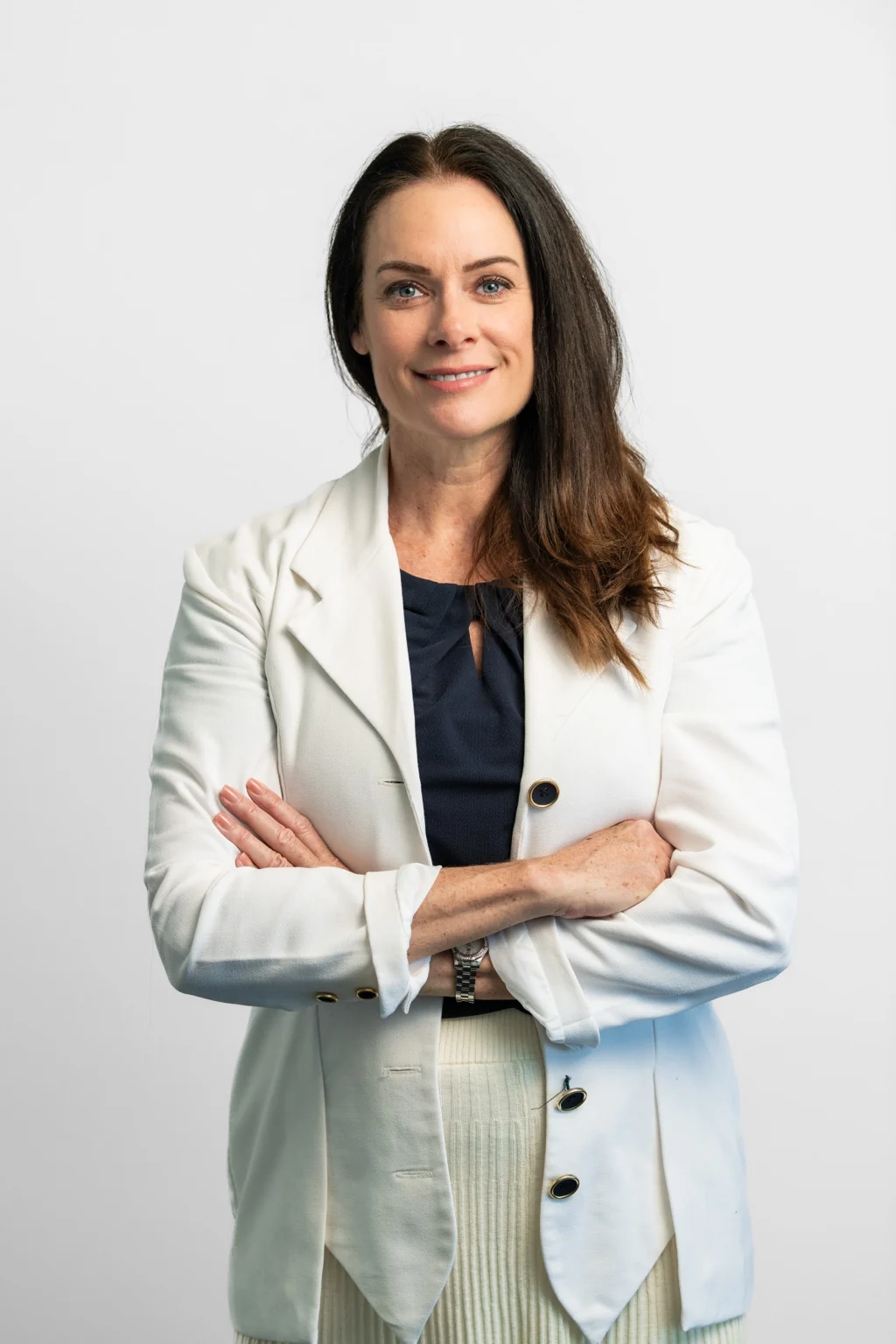
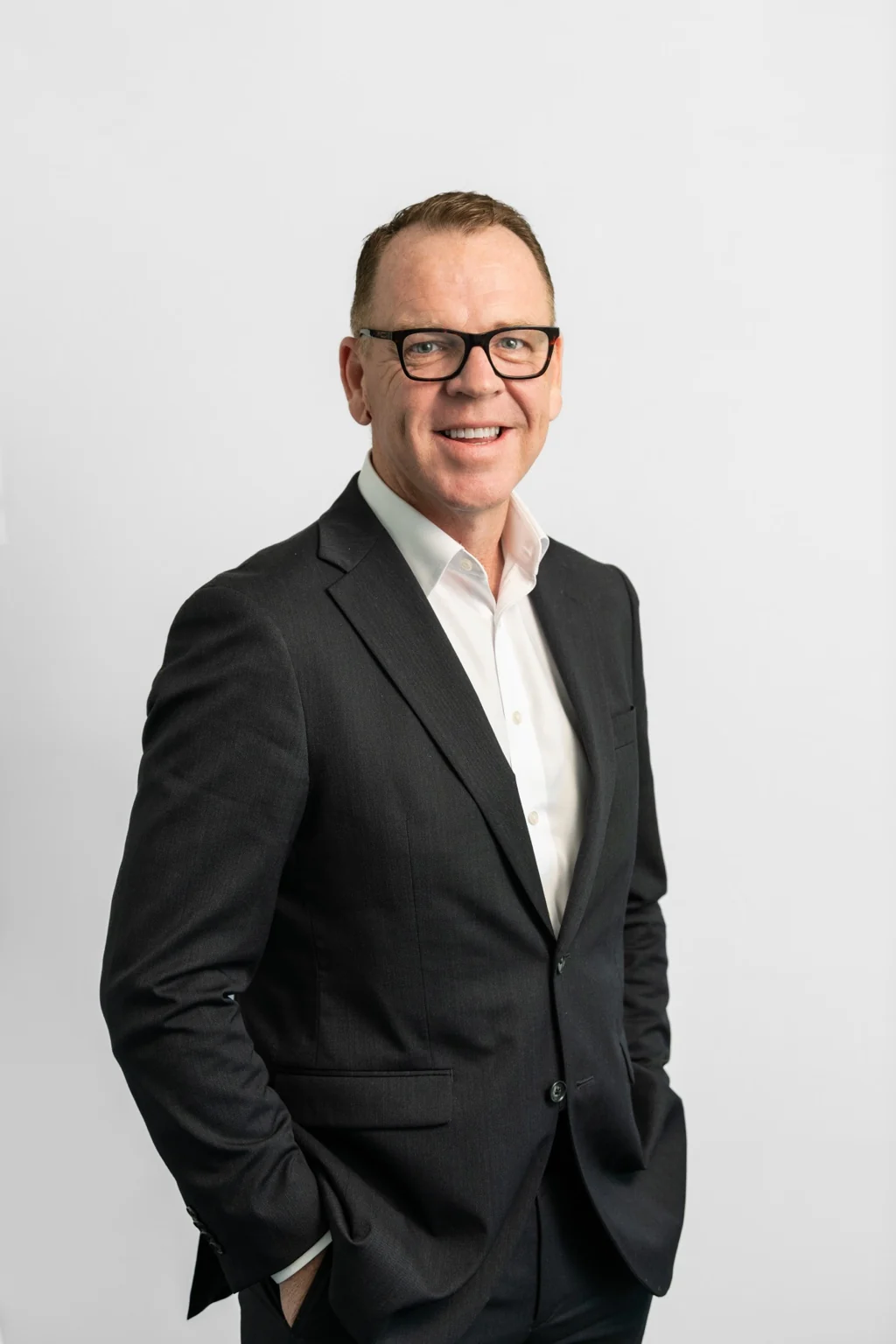
A studio-style headshot gives you control over the light, background and framing. You are not waiting for clouds, working around a busy footpath or hoping the meeting room's ceiling lights will cooperate.
That control is particularly useful when the images need to sit together on a company website. People can have different expressions and personalities while still looking as though they belong to the same organisation.
Does studio photography look too formal?
Only if you make it formal. A plain background does not require a stiff pose, a tie or a serious expression. Clothing, posture, lighting and the way the photographer directs the session all affect the result.
A relaxed smile and an open-neck shirt can work perfectly well against a neutral background. Equally, a more restrained portrait may suit a role where the person wants a quieter, more formal presentation.
When studio headshots make sense
Choose a controlled background when you need a clean LinkedIn portrait, consistent team photographs, speaker biographies or images that will be used across several different designs. It is also a practical choice when the surroundings do not need to say anything about the business.
You don't necessarily need to visit a studio
Studio-style photography describes the setup, not necessarily the address. A portable background and professional lighting can bring that controlled look to your workplace.
For a team, that can save a lot of travel and scheduling. People step away from their work for their session instead of making separate trips across Brisbane.
We still need a suitable space: enough room for the background, lighting and camera, somewhere people can move safely, and ideally some privacy. A small room with a table in the middle may need rearranging. It is worth checking the space before shoot day.
Outdoor headshots: natural light and a more relaxed atmosphere
Outdoor portraits can feel approachable and less contained. Trees, architecture or a softly blurred streetscape can add atmosphere without turning the photograph into a location shoot.
They can suit independent professionals, creative businesses and people who want their portrait to feel a little less corporate. The important part is choosing the light and background together.
Natural light isn't always good light
Being outside does not automatically mean flattering light. Direct midday sun can create harsh shadows and make people squint. Reflections from nearby buildings or bright ground can change the colour and direction of the light.
I look for a position where the light works on the face first. The impressive view is secondary. Sometimes moving a few metres into shade makes a much better photograph than staying in the most obvious spot.
What about the weather?
In Brisbane, heat, humidity, wind and rain are practical considerations. A good outdoor plan includes a suitable time, somewhere nearby to cool down or tidy up, and a backup if conditions change.
That does not make outdoor photography a bad option. It means you should allow some flexibility. If everyone must be photographed in a fixed window and the pictures must match exactly, a controlled indoor setup is often easier.
Office headshots: showing the person behind the business
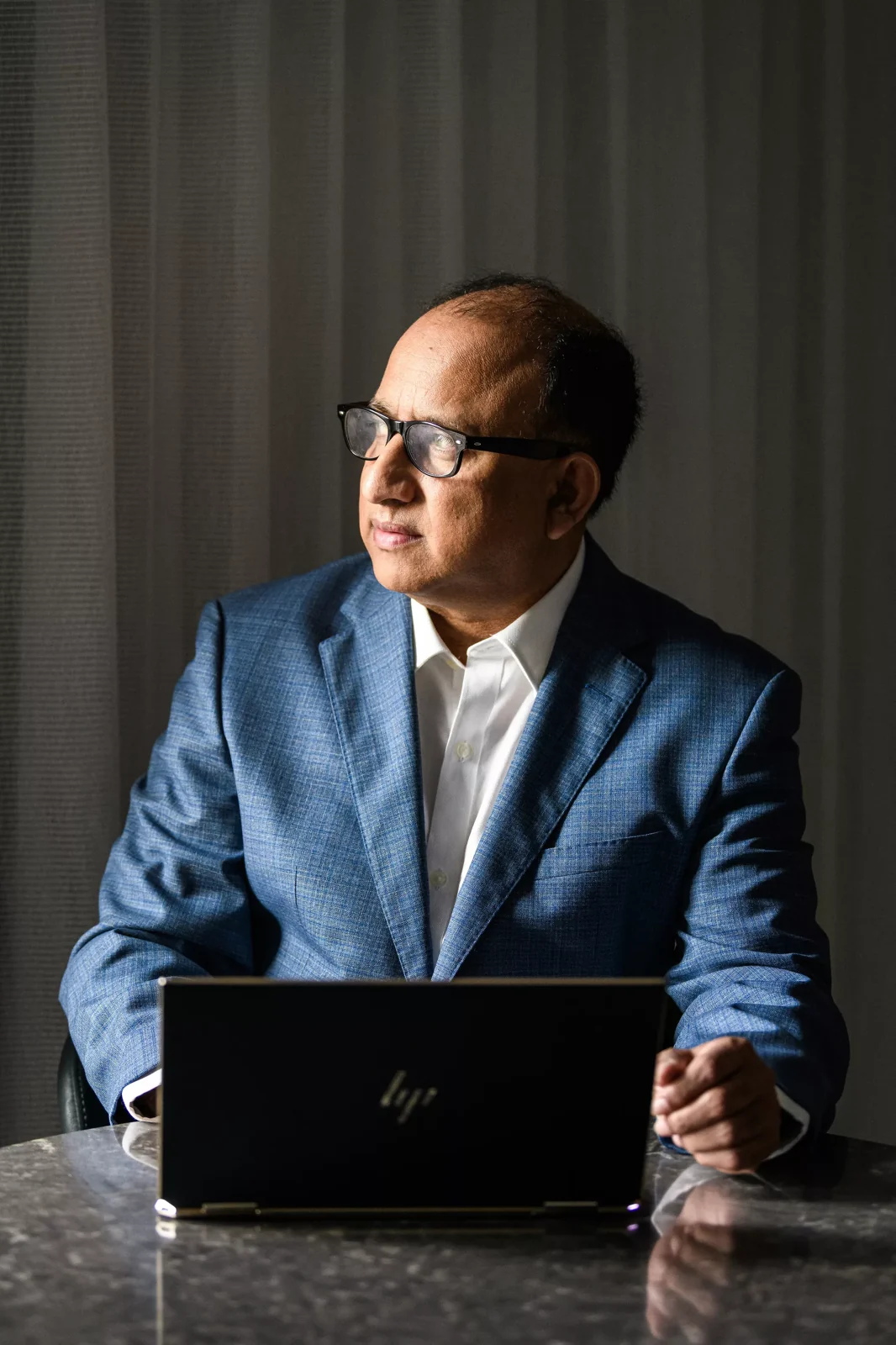
An office portrait can connect a person to the place where they work. A desk, workshop, meeting area or carefully chosen part of the premises can add information that a plain background cannot.
This is useful when the environment is part of the story: a business owner in their workplace, a designer surrounded by materials or a professional in a space their customers recognise.
The office should support the photograph, not dominate it
The camera notices things we stop seeing during a working day. Cables, water bottles, bright screens, paperwork and a bin in the corner can all compete with a face.
A little preparation helps. Clear the area that will appear in the frame, check what is visible on screens and documents, and give us access to more than one possible position. The best portrait location may be beside a window rather than behind the biggest desk.
Office portraits can use window light, professional lighting or a combination. The aim is to make the light on the person work with the room, rather than accepting whatever the ceiling lights happen to produce.
Office portraits are useful beyond LinkedIn
A wider workplace portrait can work well on an About page, in a media profile or beside an interview. It can also provide space for a designer to place text.
That wider image may need a separate, tighter version for a profile picture. Planning both at the shoot is easier than trying to force one photograph into every shape afterwards. For a broader set of workplace images, see our corporate photography in Brisbane.
What works best for LinkedIn?
LinkedIn profile pictures are often seen at a small size and in a circular crop. Your face needs to remain clear when the photograph is reduced.
A clean studio-style portrait is a reliable option, but an outdoor or office portrait can work just as well if the background stays quiet and the crop is close enough. A full-length image with a lot of scenery is usually less useful in that small circle.
Ask for a crop that leaves a little room around your head and shoulders. Check the actual profile preview before saving it: a photograph that looks balanced as a rectangle can feel cramped inside a circle.
What about company websites?
For a company website, look at the design before choosing the shoot style. Are portraits displayed as squares, circles or tall rectangles? Are people arranged together on one team page? Will some images need to sit beside text?
A consistent neutral background is often the simplest solution for a large team. Environmental portraits can work well for leadership profiles or individual stories, particularly when there is room to show more of the setting.
You can use both approaches across a website, provided the choices feel deliberate. It helps to agree on the intended uses before the camera comes out.
Photographing an entire team? Think about the future
The first team shoot is only part of the job. New staff arrive, roles change and photographs need replacing.
If consistency matters, choose a setup that can be repeated. Keep a record of the background, light, camera position, framing and final crop. An outdoor location may look different in another season; an office may be refurbished.
A portable studio setup can make future sessions easier to match. Even then, consistency includes editing and cropping, not just using the same background colour.
Can you combine studio and environmental portraits?
Yes, and it is often a useful way to plan a session. A clean headshot can cover LinkedIn, team pages and speaker biographies. A second portrait in the workplace can support your website, an article or a business introduction.
The two photographs have different jobs. One makes you easy to recognise; the other gives people a little more context.
Allow time for the change of setup. A second look may involve moving equipment, checking another background and adjusting clothing or lighting. Discuss the priority images first so the essential portrait gets the attention it needs.
What if you don't feel comfortable in front of the camera?
You do not need to arrive knowing how to pose. That is part of the photographer's work.
Small directions usually help more than asking someone to hold a complicated position: turn slightly, shift your weight, relax your shoulders, adjust your chin. Then we work on expression without keeping you frozen in place.
Choose a setting where you can settle into the session. Some people prefer the privacy of a controlled room. Others relax more easily in familiar surroundings. The most impressive location is not always the one that produces the most natural portrait.
Clothing also affects how comfortable you feel. Our guide to what to wear for LinkedIn and corporate headshots covers practical preparation without asking you to dress like somebody else.
Does professional retouching change the result?
Editing brings the images together: colour, brightness, contrast and consistent skin tones. Retouching can deal with temporary distractions and small details that draw attention away from the person.
The aim should be a polished photograph that still looks like you. Your skin does not need to become a smooth surface, and your face does not need a new shape.
Good lighting and careful photography do much of the work before retouching starts. If there is something you are concerned about, mention it before the session so we can discuss how to approach it.
Choosing the right headshot style
Choose a studio-style setup when you want a clean, versatile portrait or a consistent set of team photographs. It can be created in a studio or brought to a suitable workplace.
Choose an outdoor location when the atmosphere suits your work and you can allow for light, weather and a little flexibility.
Choose an office or environmental portrait when your surroundings help explain who you are and what you do. Prepare the space and plan a tighter crop if you also need a profile picture.
Combine approaches when you need both a straightforward headshot and wider images for your website or business communications.
The best headshot is the one that works for you
There is no single background that makes a photograph professional. A useful headshot comes from a combination of clear purpose, good light, careful direction and an expression that feels like the person.
Before booking, think about where the images will appear, whether they need to match other portraits and what you want people to understand about you. Those answers usually make the location decision much easier.
Corporate Headshots in Brisbane
Post Studio creates corporate headshots in Brisbane for individuals and teams, using portable studio setups and on-location portraits.
Tell me who needs photographing, where the photographs will be used and whether you have an existing style to match. We can plan the background, lighting and session around the images you actually need.