
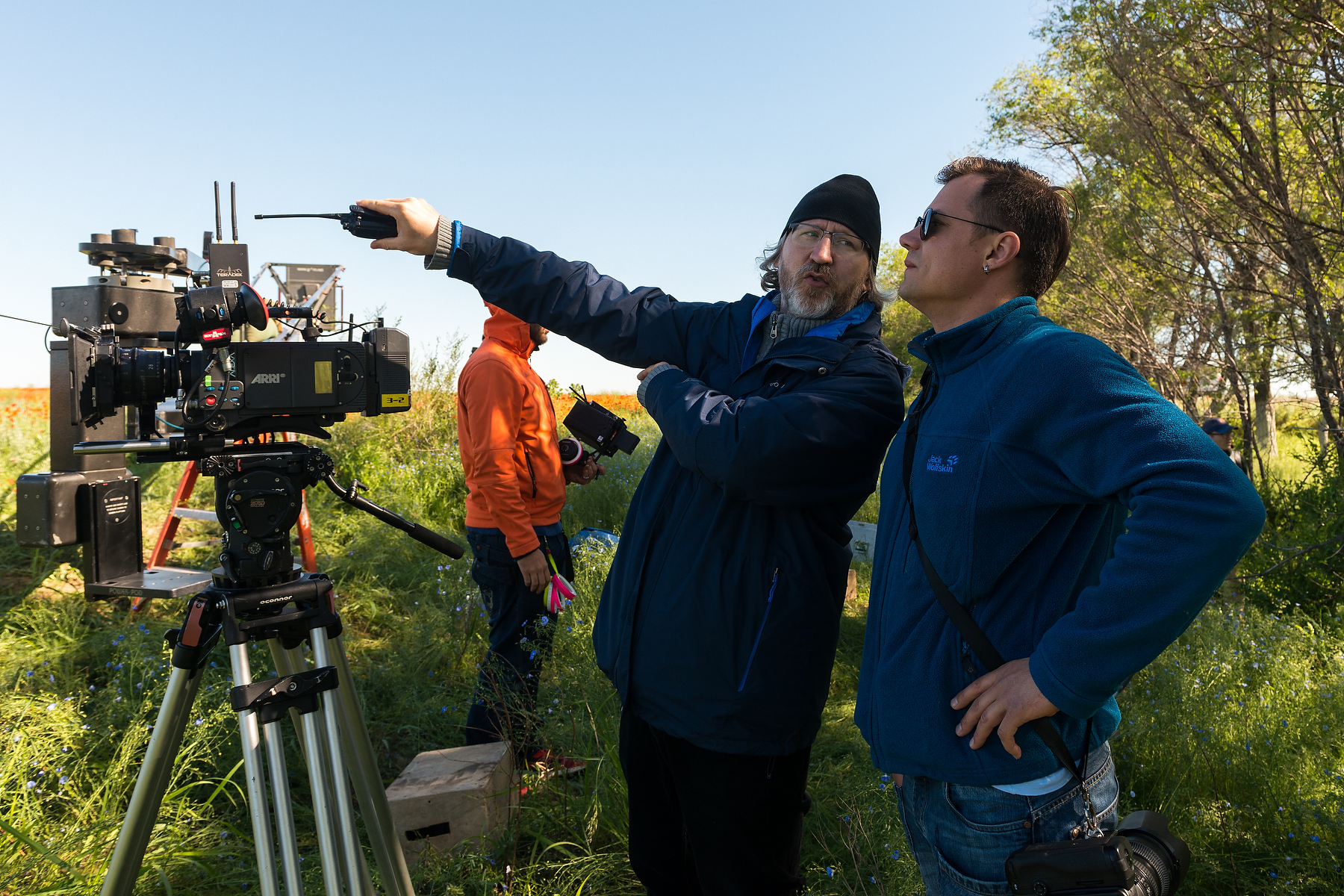
The day after wrap is a terrible time to discover that nobody photographed the images your film now needs to sell itself.
A finished production still needs a public face. Posters, key art, press coverage, festival programs, streaming artwork, social campaigns, pitch decks and electronic press kits all depend on strong still images. Once the cast goes home, the costumes are returned, the set is struck and the lighting disappears, recreating those images can become difficult, expensive or impossible.
A finished film can still be missing its marketing.
Screen Australia’s film-marketing guidance says stills should be planned early because production is the narrow window when cast, crew, wardrobe, makeup, sets and lighting are all available at the same time.
That is why unit stills are not simply behind-the-scenes souvenirs. They are marketing assets created while the production is alive, with enough resolution, composition and variety to support publicity long after principal photography ends.
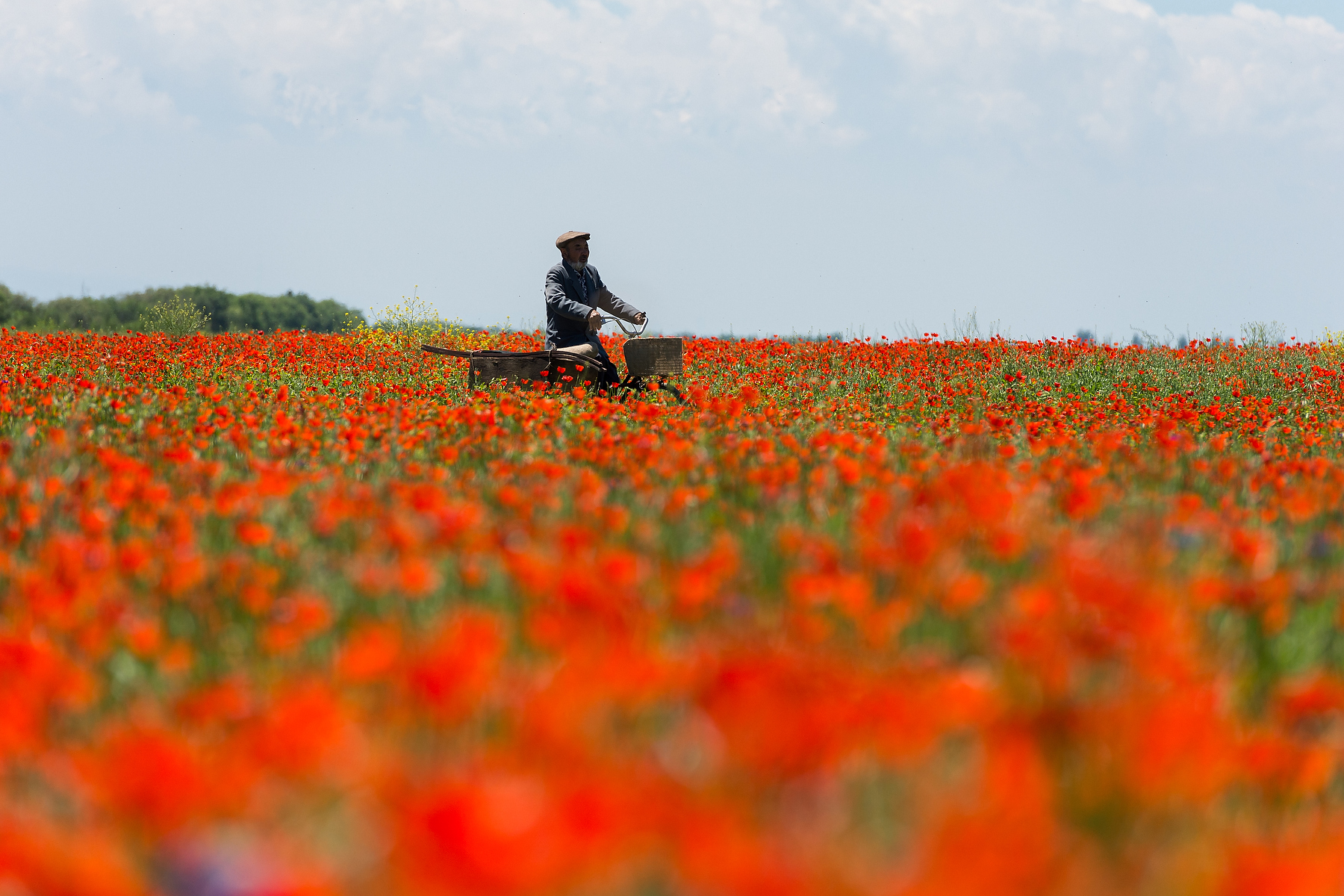
The cinema camera is not making your poster.
It is tempting to assume that a frame can simply be pulled from the finished film later. Sometimes it can. But a motion frame was composed for movement, edit and screen playback — not necessarily for a poster, magazine cover, thumbnail or full-page press image.
Screen Australia notes that frame grabs may be less useful because of lower resolution, motion blur or composition. A unit photographer is looking for a different kind of frame: one that carries the story in a single image and still leaves room for typography, cropping and multiple marketing formats.
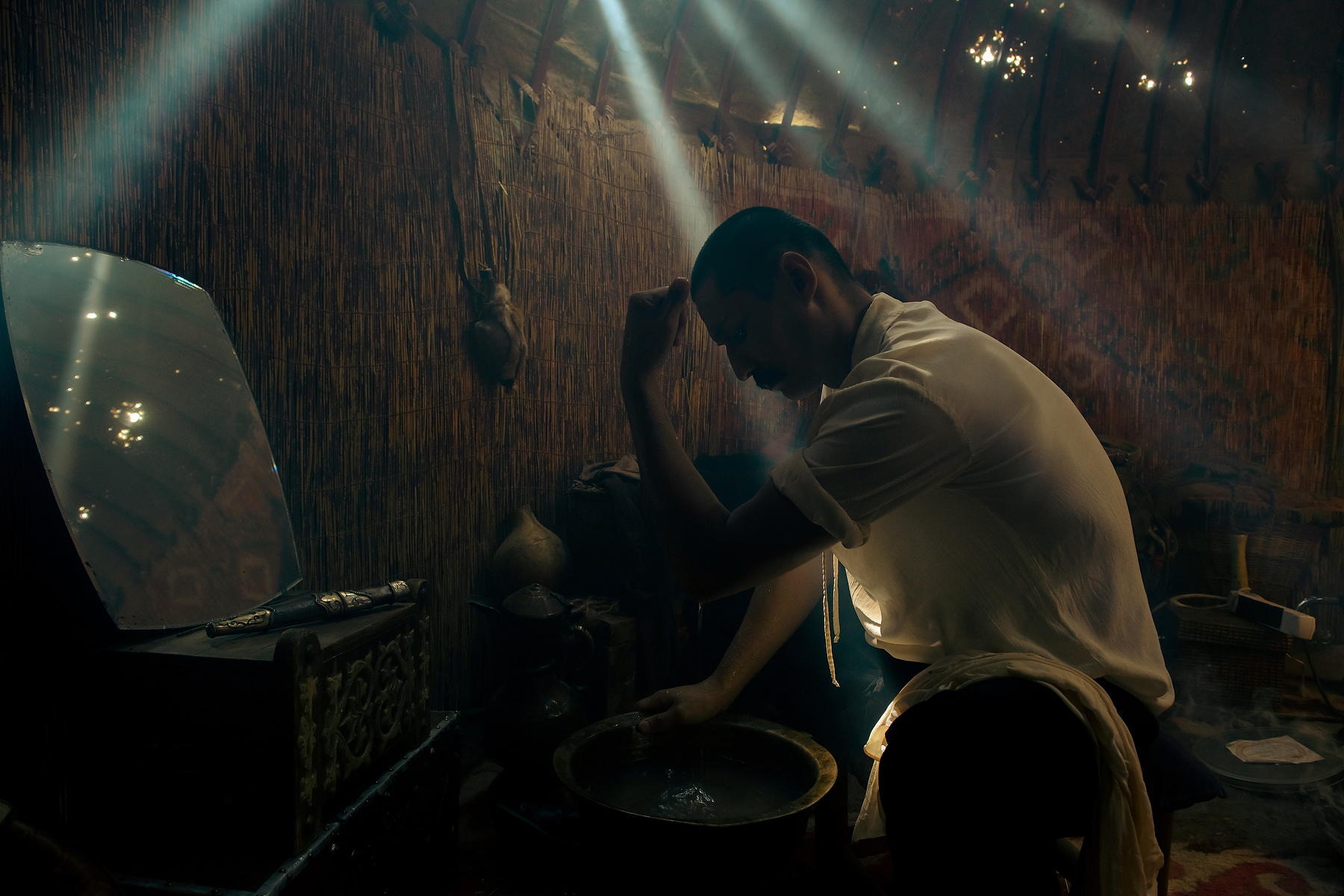
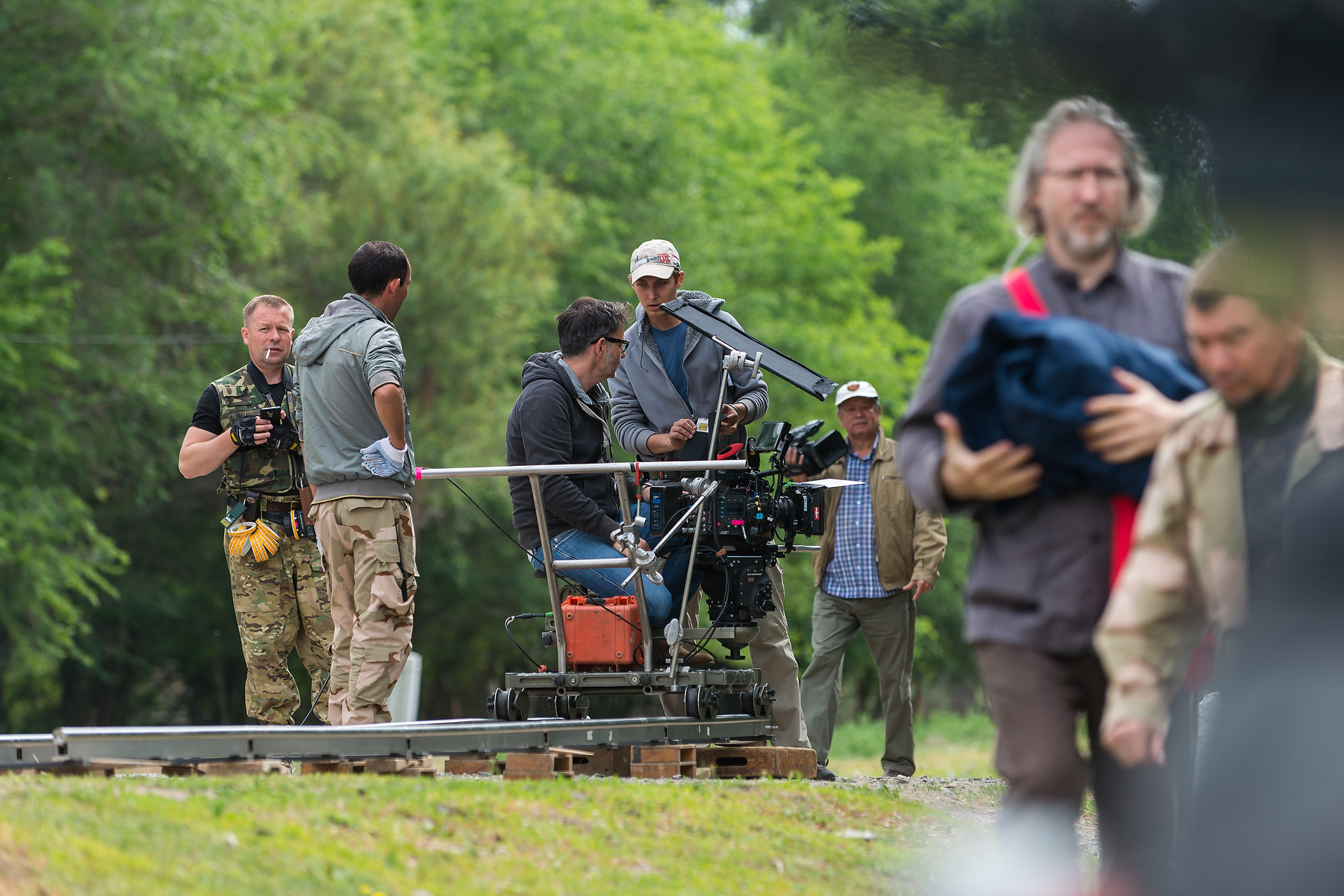
What disappears when the set disappears.
Wrap does not just end filming. It can remove access to the exact combination of cast, costume, hair, makeup, props, production design, locations and lighting that made the project look like itself.
Bringing those elements back for a dedicated marketing shoot later may mean new schedules, new location access, rebuilt sets and rehired talent. Capturing strong stills during production uses an opportunity that already exists instead of paying to recreate it.
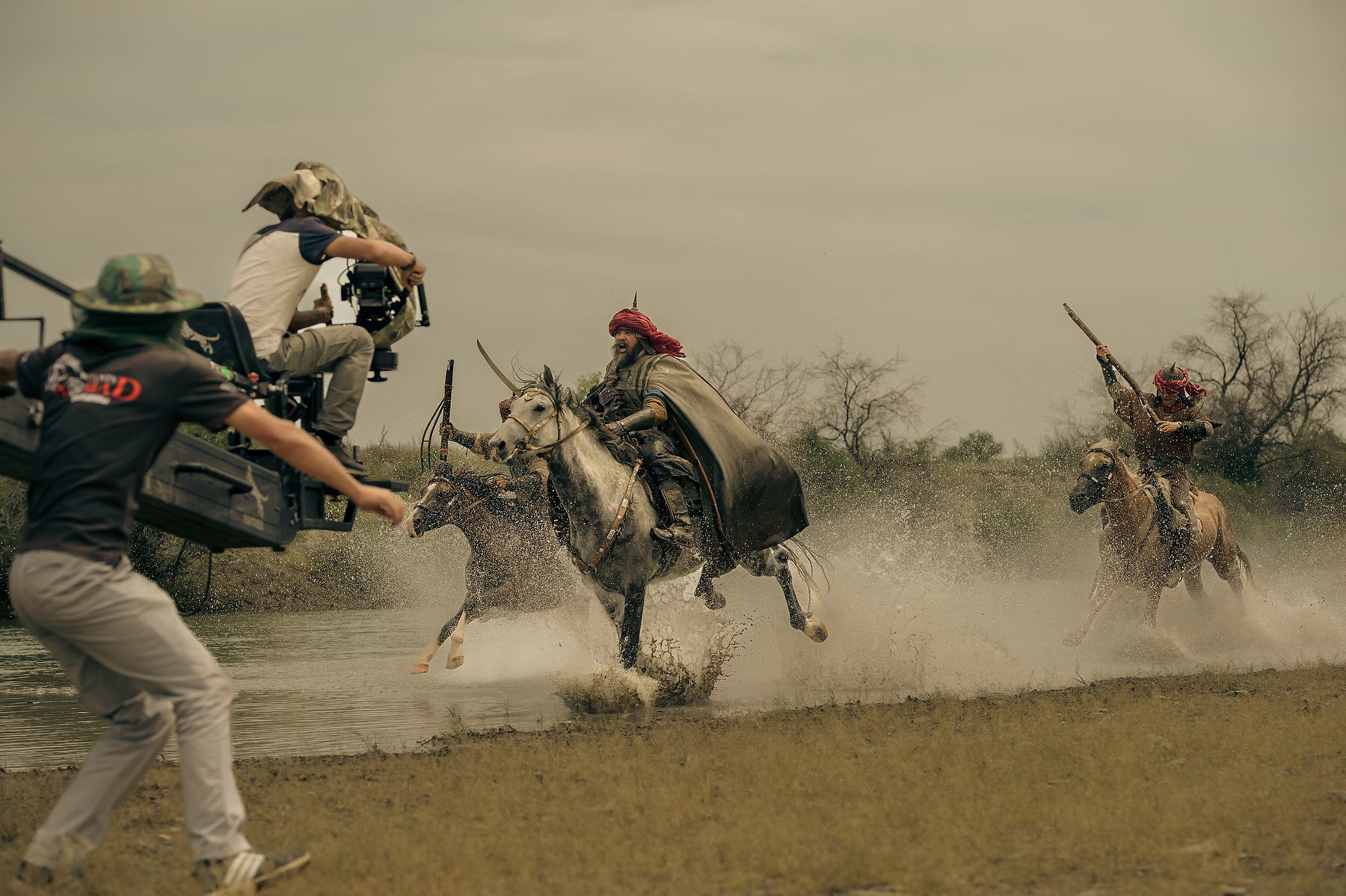
The cost of leaving stills to chance.
There is no credible industry statistic that says a production without a unit photographer loses a specific percentage of sales. The evidence is more practical — and more useful.
Screen Australia has described designers being brought onto projects after wrap and finding themselves compromised because the available photography was never created with posters or marketing in mind. Its current marketing budget estimates list unit stills photography as a separate minimum $10,000 line item, alongside $8,000 for key art design and $10,000 for an EPK. That does not prove a fixed return on investment, but it shows how seriously professional productions treat still-image assets.
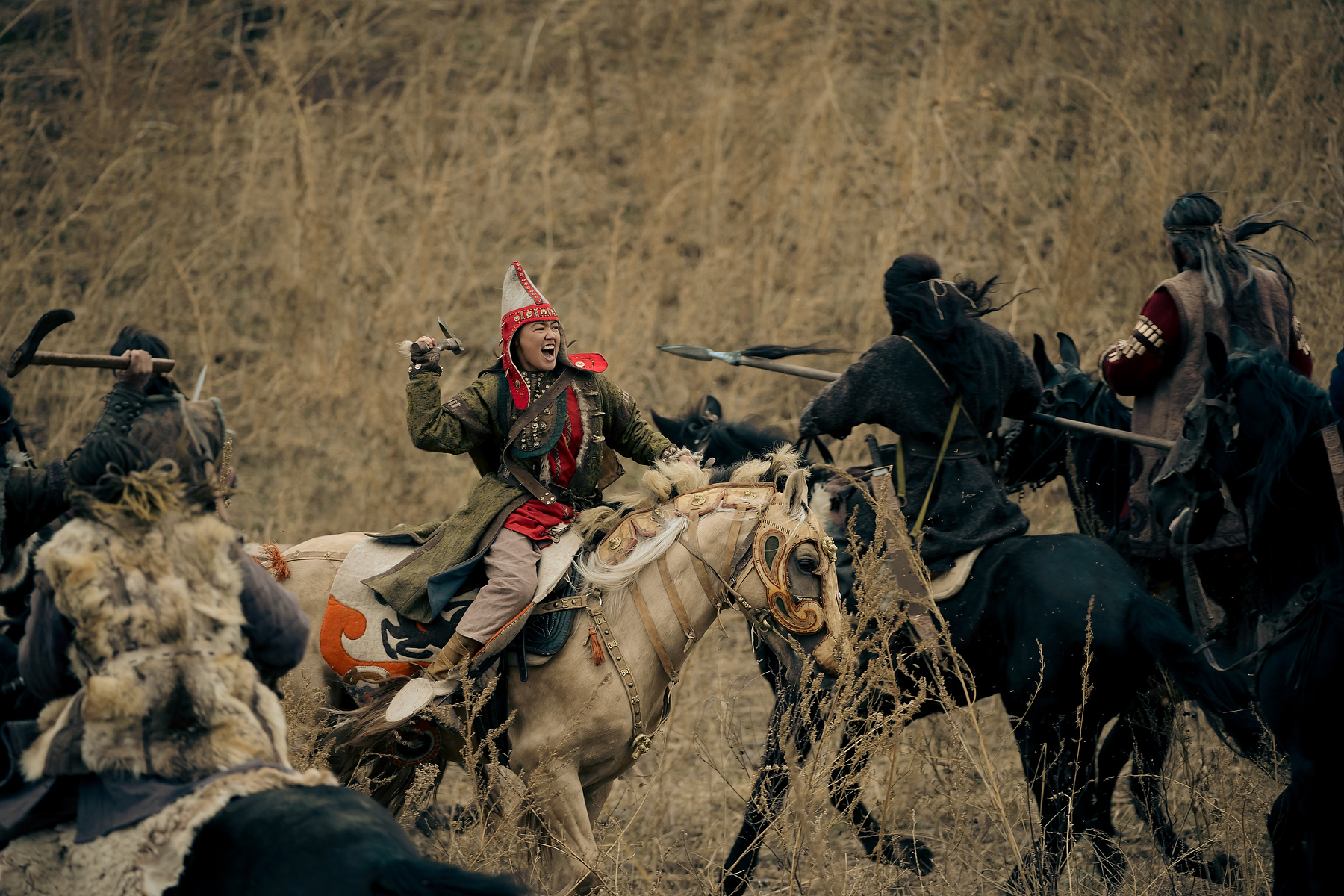
One photographer. Many future uses.
A useful unit stills library can support theatrical posters, key art, streaming thumbnails, press releases, festival listings, editorial features, cast profiles, social media, websites, sales decks, distributor materials and the long-term production archive.
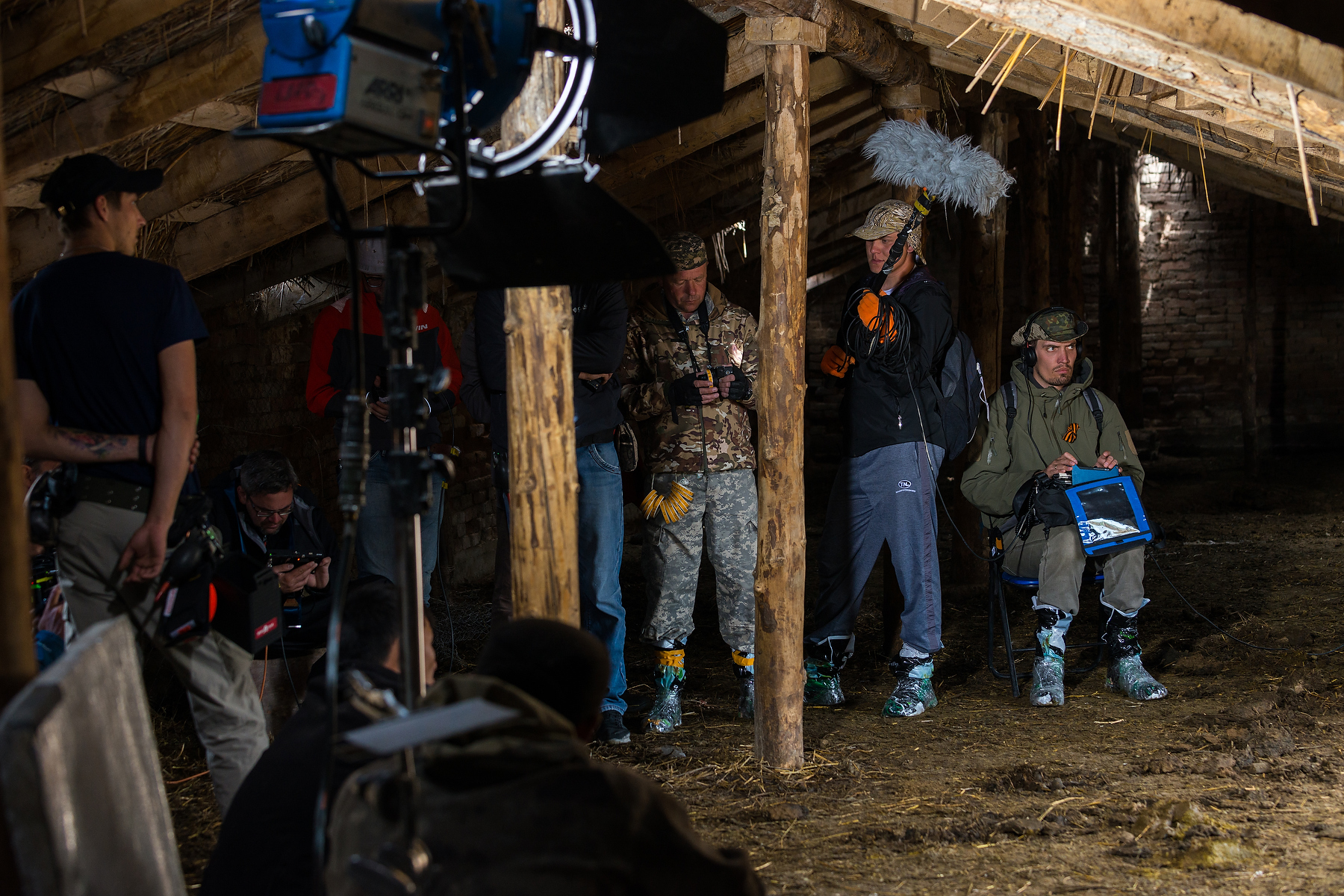
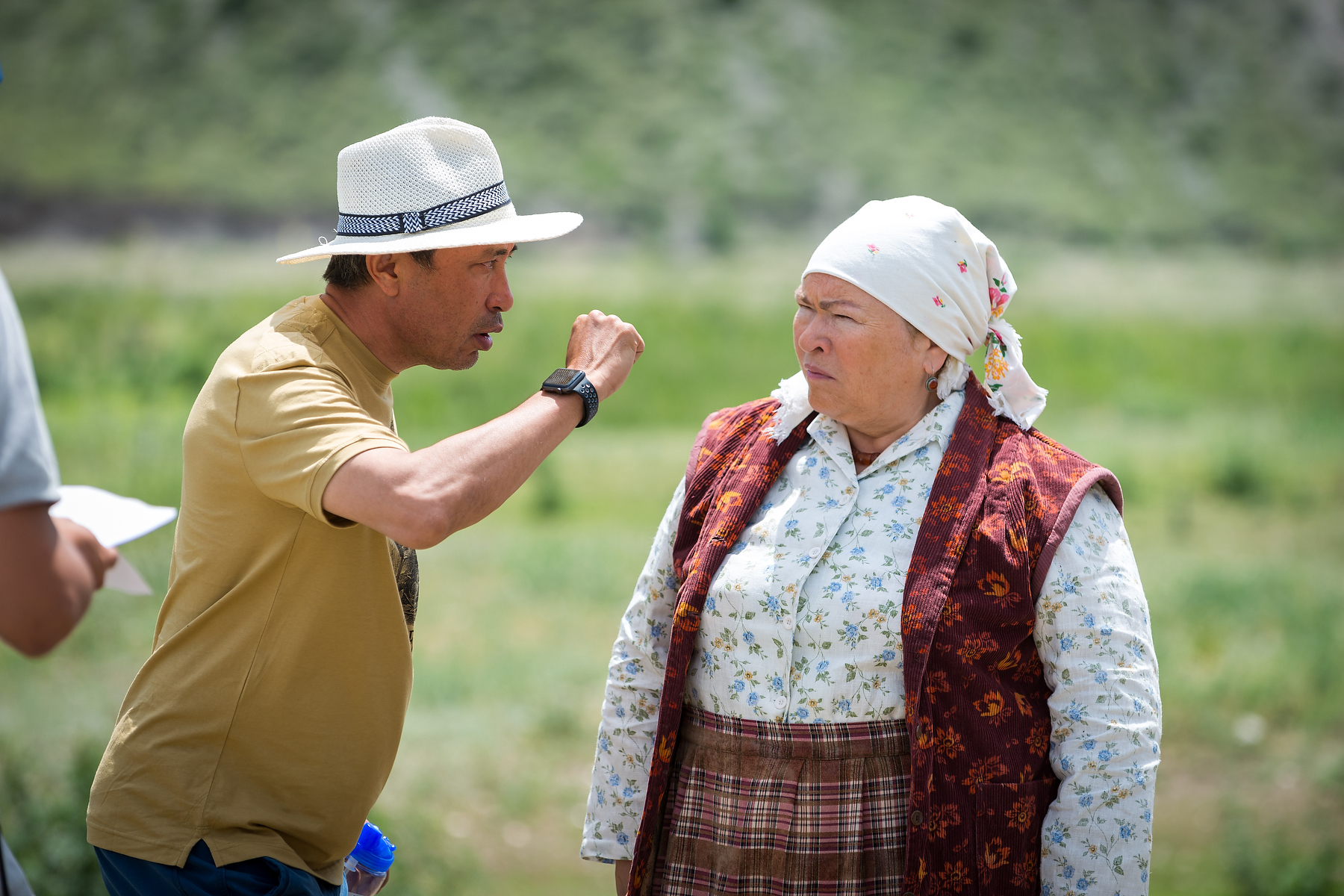
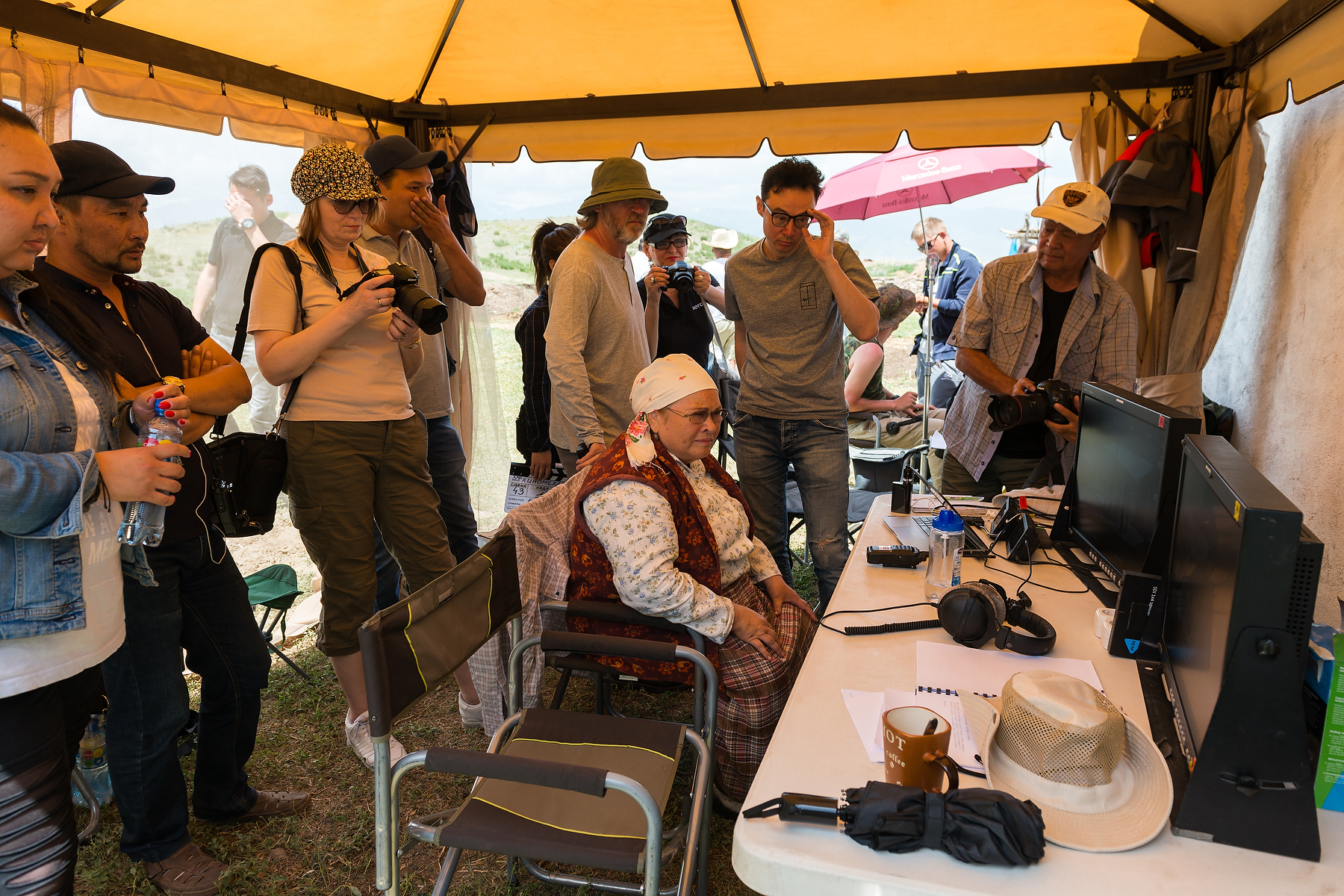
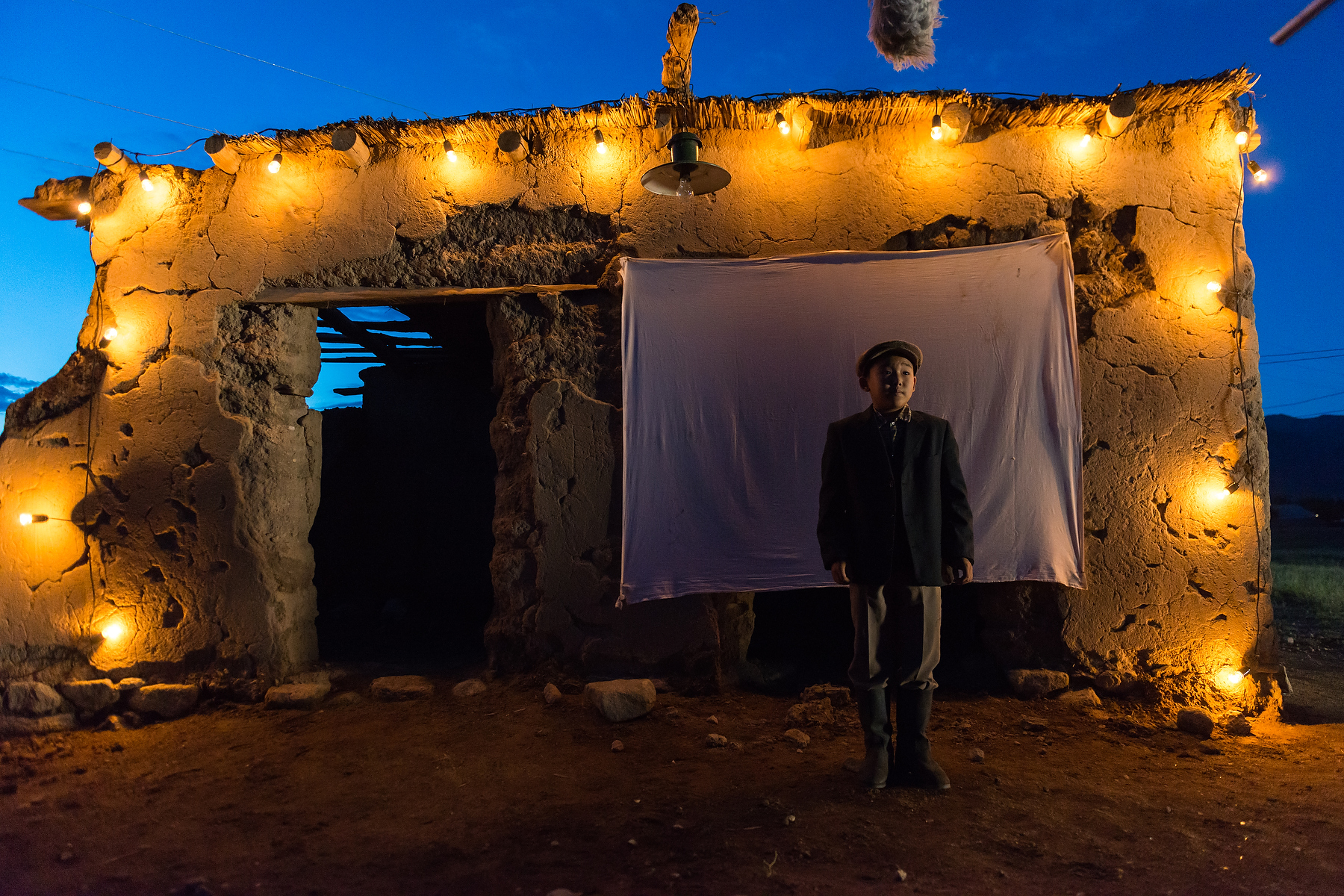
That means shooting with variety and intent: hero moments, character portraits, clean publicity frames, wides, verticals, horizontals, details, production scale and genuine behind-the-scenes images of the people making the work.

A unit still photographer is part of the set, not a visitor.
The job is not to interrupt a take and ask everyone to repeat it for a photograph. A unit still photographer works around the camera, sound, first AD, performers and production schedule — quietly, quickly and without becoming another problem for the crew.
That requires more than photography. It means understanding set etiquette, anticipating performances, respecting closed sets and embargoes, knowing when not to shoot, and recognising which moments will translate into publicity rather than simply documenting that filming happened.
The Society of Motion Picture Still Photographers describes the role plainly: the unit photographer creates assets for film marketing and publicity, from websites and social media to the movie poster itself.
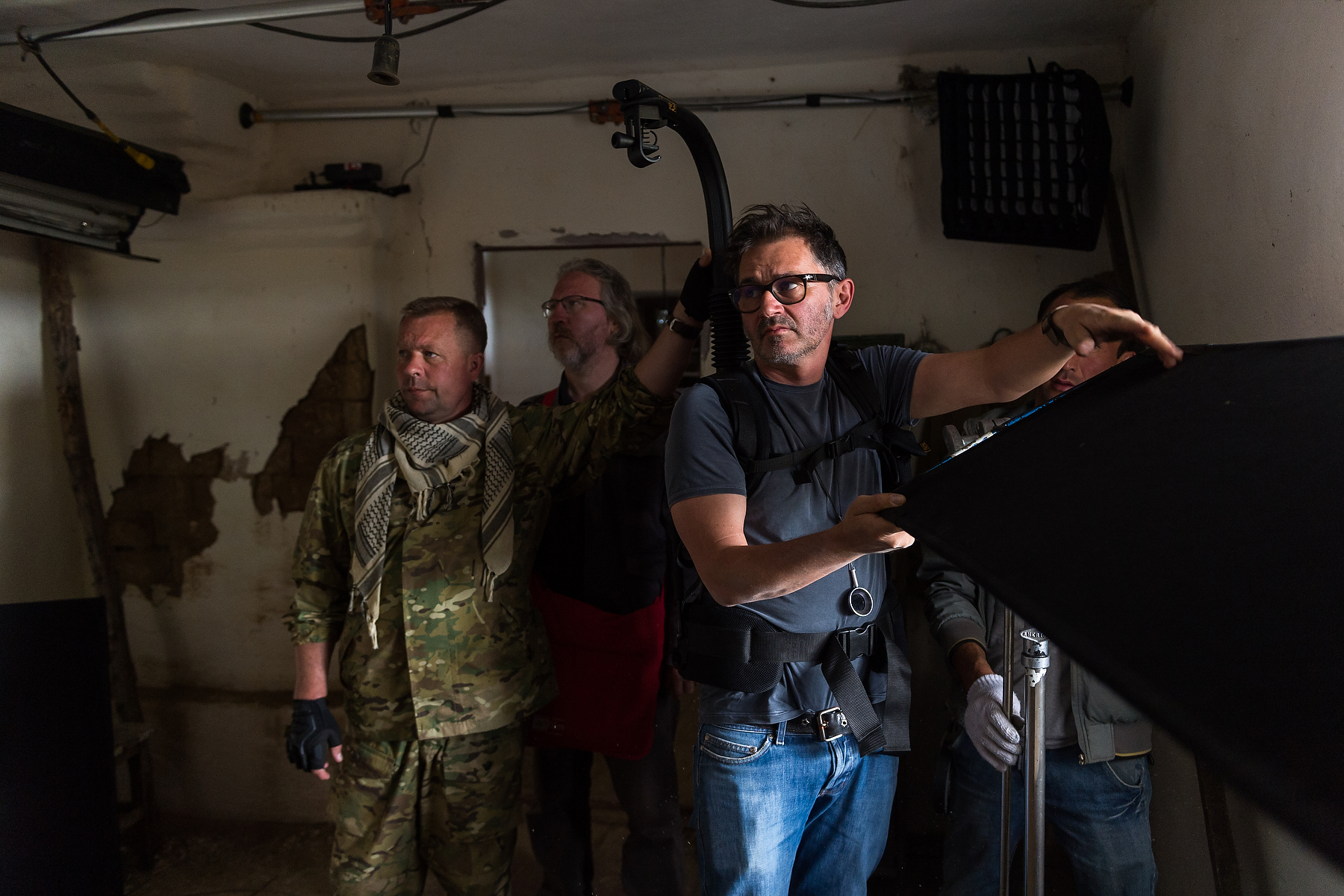
For independent productions, the photographs matter even more.
Large productions may have dedicated publicity teams, gallery shoots and marketing days. Smaller films often do not. That makes the unit stills captured during principal photography even more valuable: they may become the material used to approach festivals, distributors, media and future audiences.
A modest production can look substantial when its imagery is coherent, cinematic and intentional. The reverse is also true: an excellent film can be surprisingly difficult to present when the only available images are screenshots, phone photos or unrelated behind-the-scenes snaps.
That approach sits at the centre of Post Studio’s unit still and BTS photography and can be seen across the wider unit still portfolio. For productions planning coverage, the practical process — access, intended use, shot priorities and delivery — is outlined in our photography services and frequently asked questions.
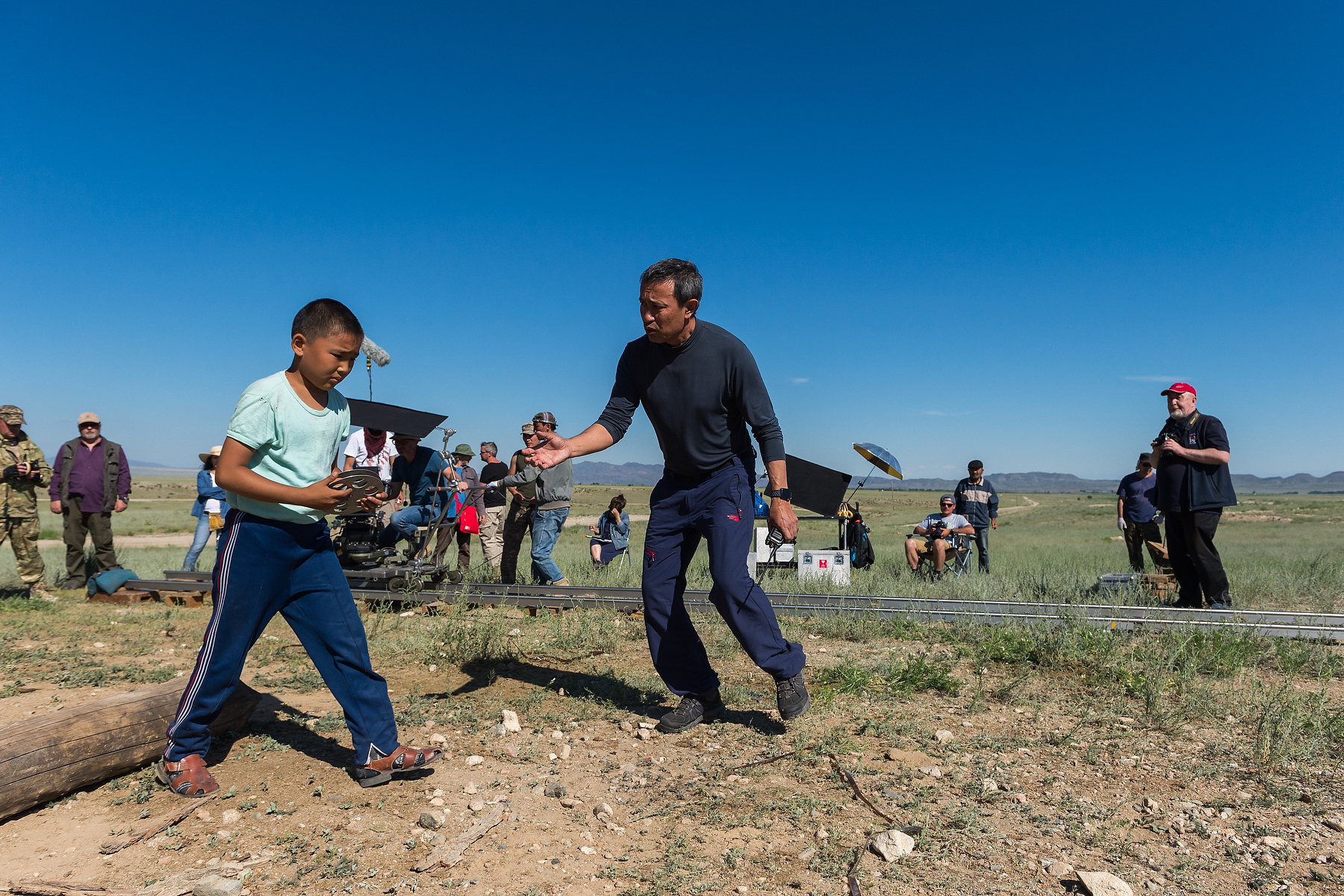
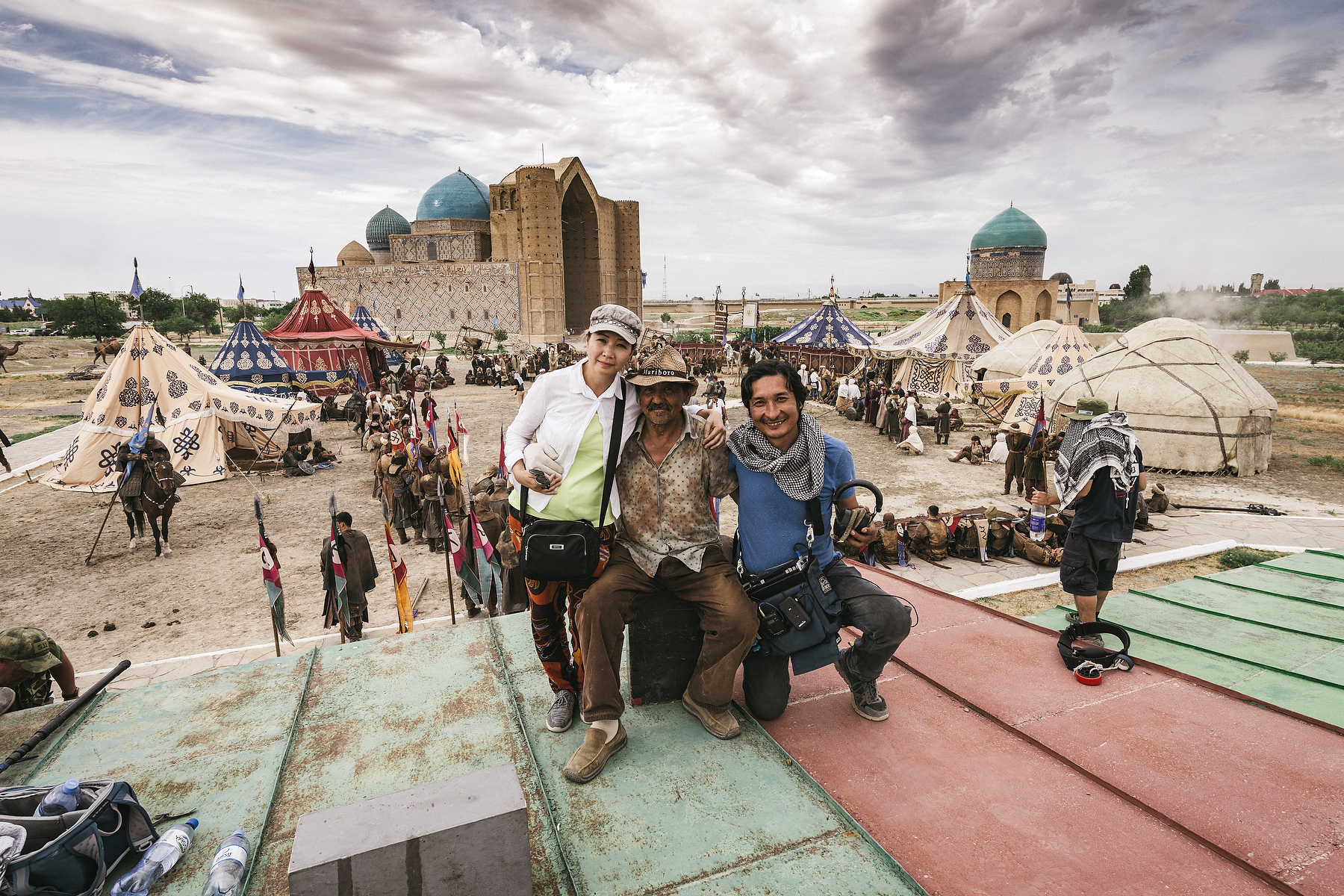
Before wrap is when you still have the film.
Good unit still photography is insurance against a very avoidable problem: reaching the marketing stage and discovering that the images you need were never made.
The camera can stop rolling. The set can disappear. The stills are what remain available to designers, publicists, distributors, festivals and audiences. If those images are going to help sell the production, they need to be created while the production still exists.
BRISBANE · SOUTH EAST QUEENSLAND · AUSTRALIA
Planning a film, series or branded production?
Post Studio provides unit still photography and behind-the-scenes coverage in Brisbane, South East Queensland and on productions across Australia — with a production-aware approach designed for publicity, key art, press, social media and long-term campaign use.
Discuss unit still & BTS photography