
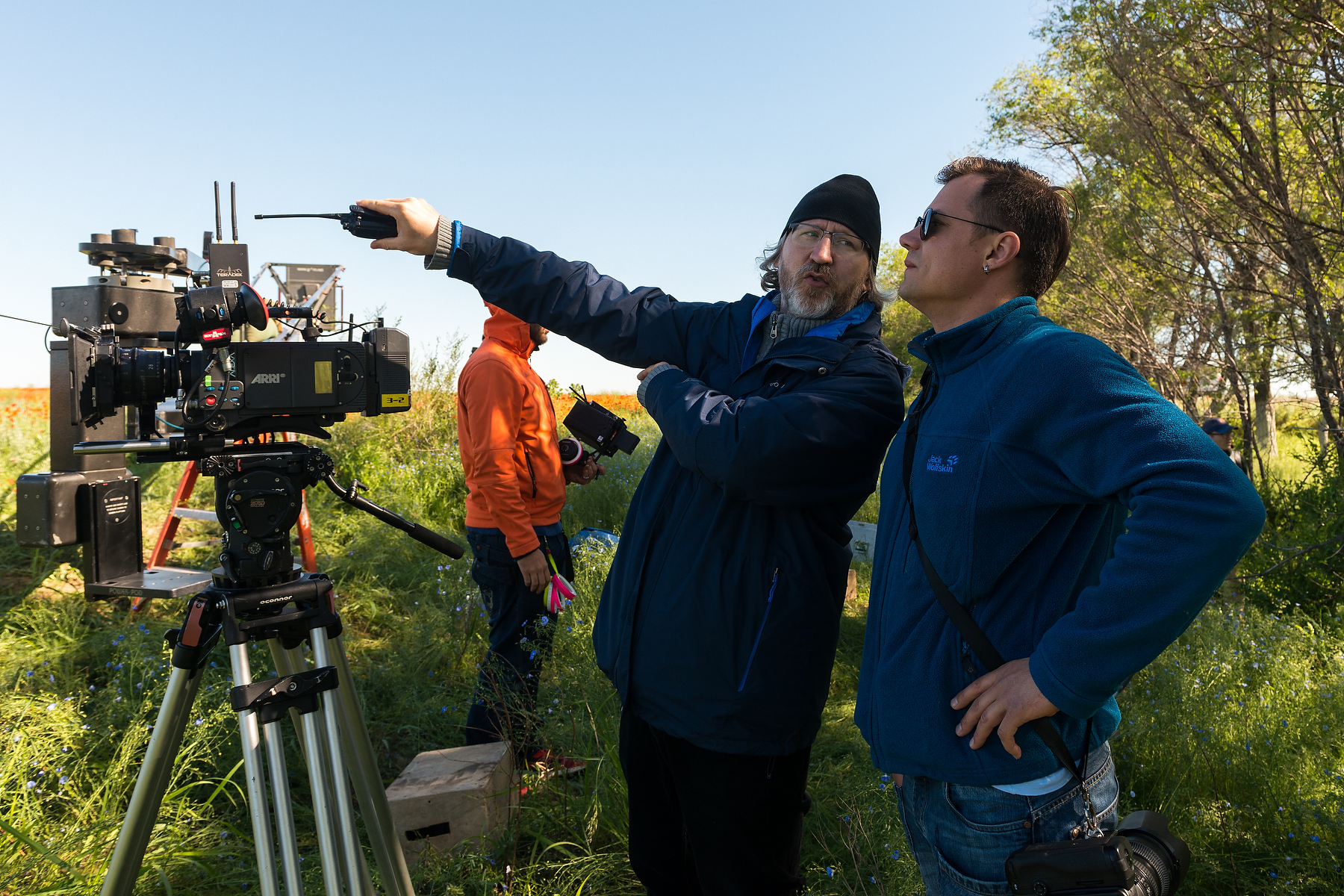
On a film set, “unit stills” and “BTS” are often used as if they mean the same thing. They don’t. The difference is not simply whether the camera is pointed at the actors or the crew. It is about what the photograph needs to do after production.
A useful production library normally needs both: clean, cinematic stills that can represent the finished project, and genuine behind-the-scenes photographs that show how the work was made. Understanding that difference before the shoot makes the coverage much more useful later.
What are unit stills?
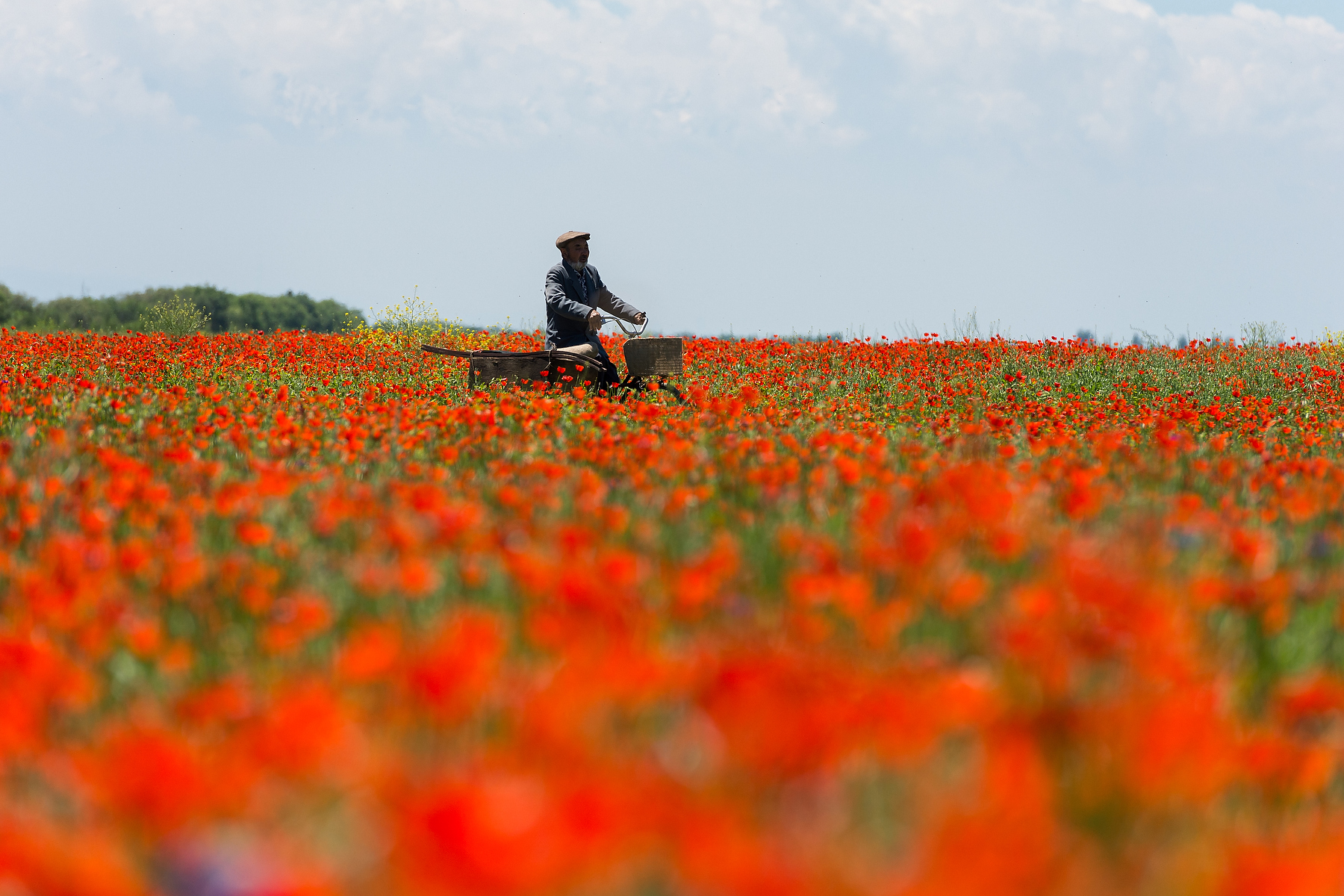
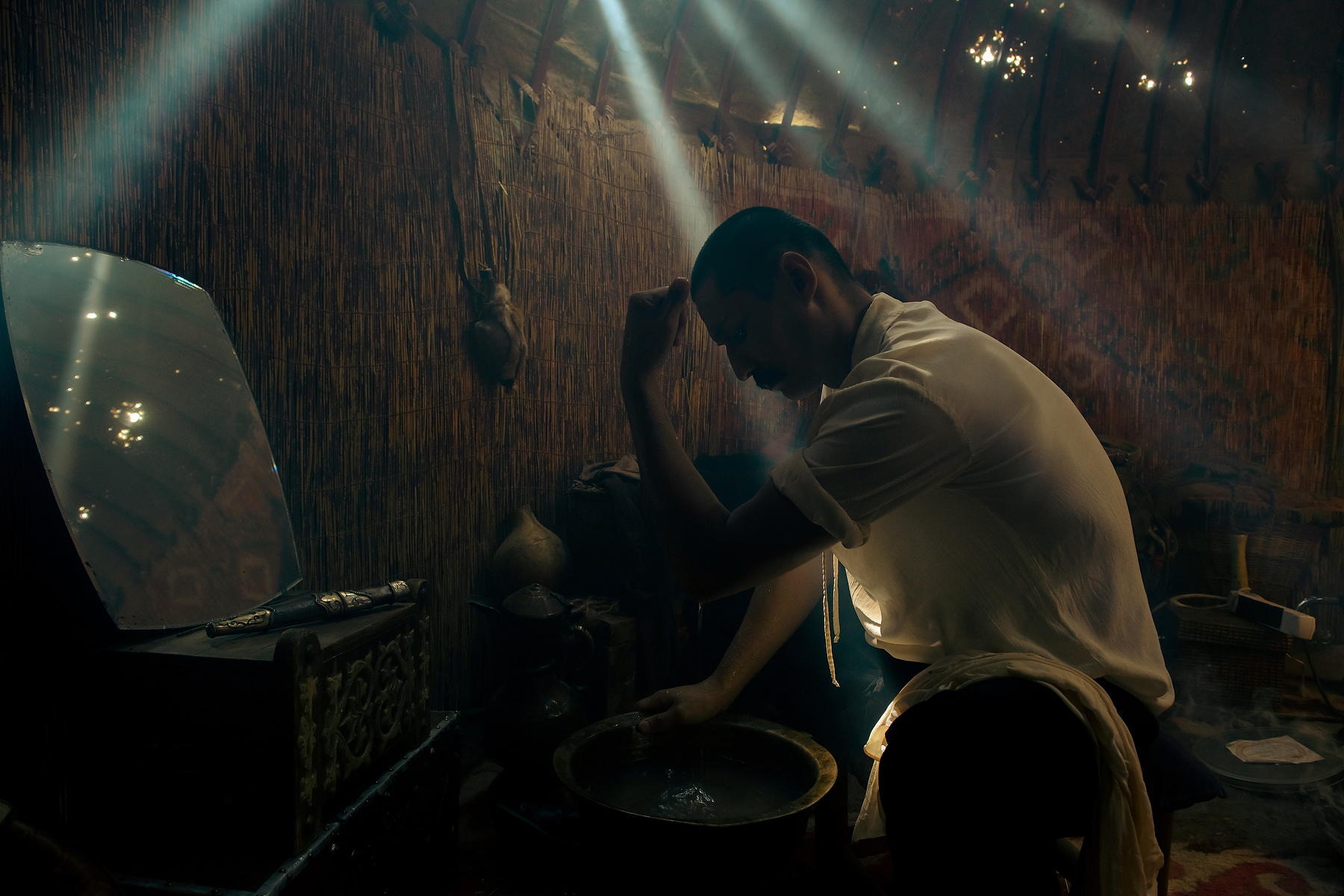
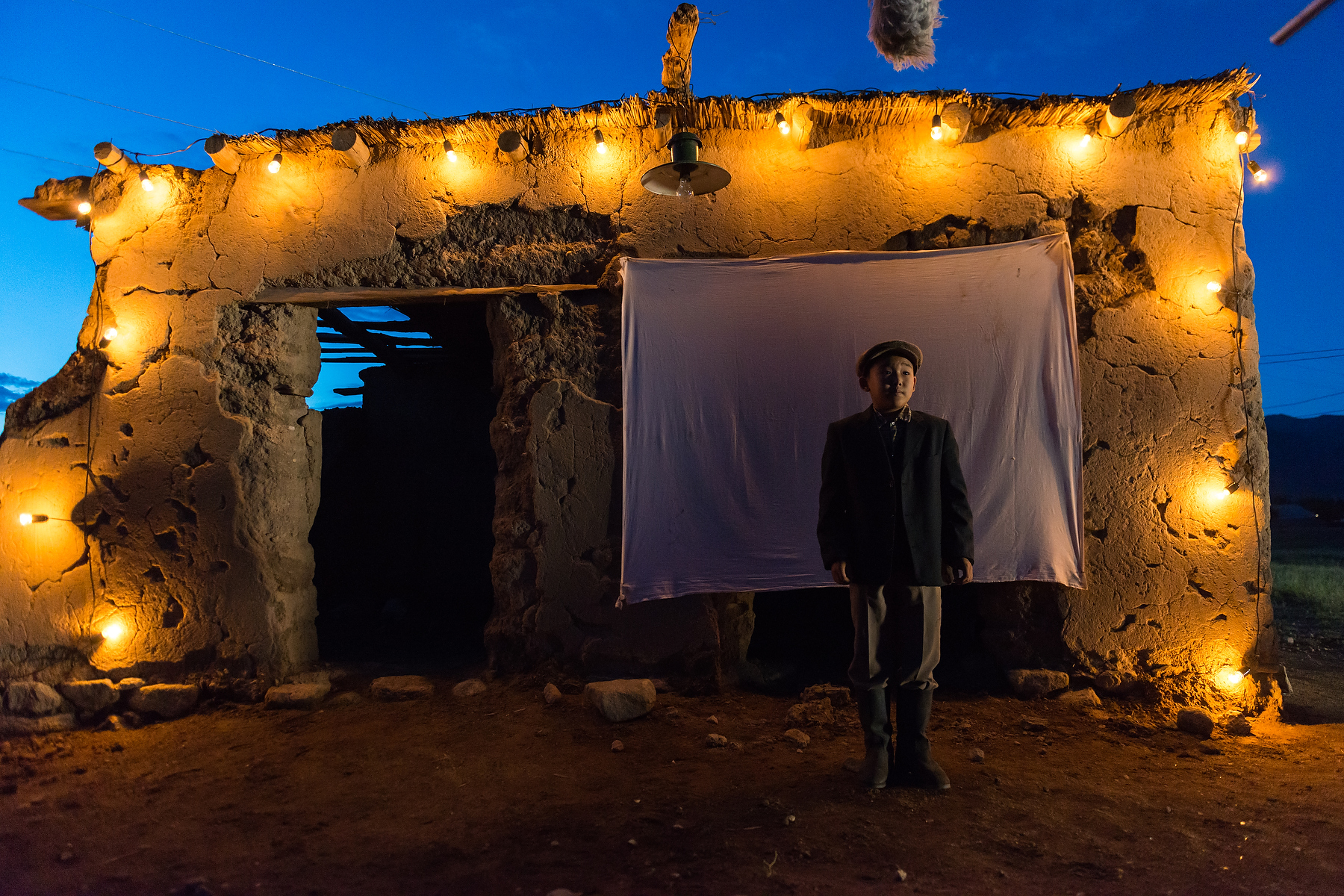
Unit stills are photographs created during a film, television, advertising or branded production to represent the story, characters and visual world of the finished work. They need to stand on their own as photographs, not simply prove that filming happened.
A strong unit still may look close to a frame from the film, but it is composed specifically as a still image. That matters when the photograph later needs to work as publicity, editorial material, festival artwork, a website image, a social post or part of key art.
What is BTS photography?
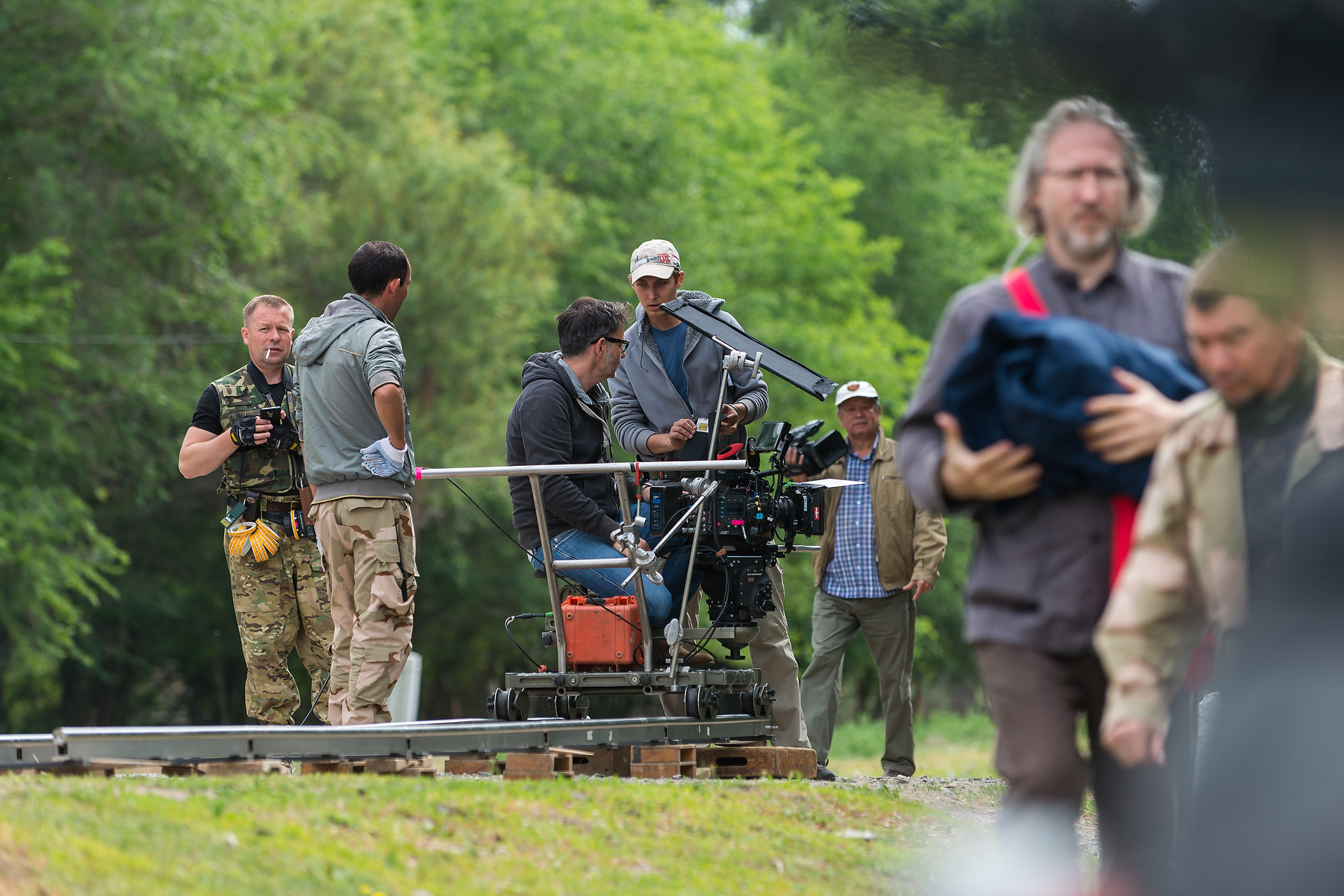
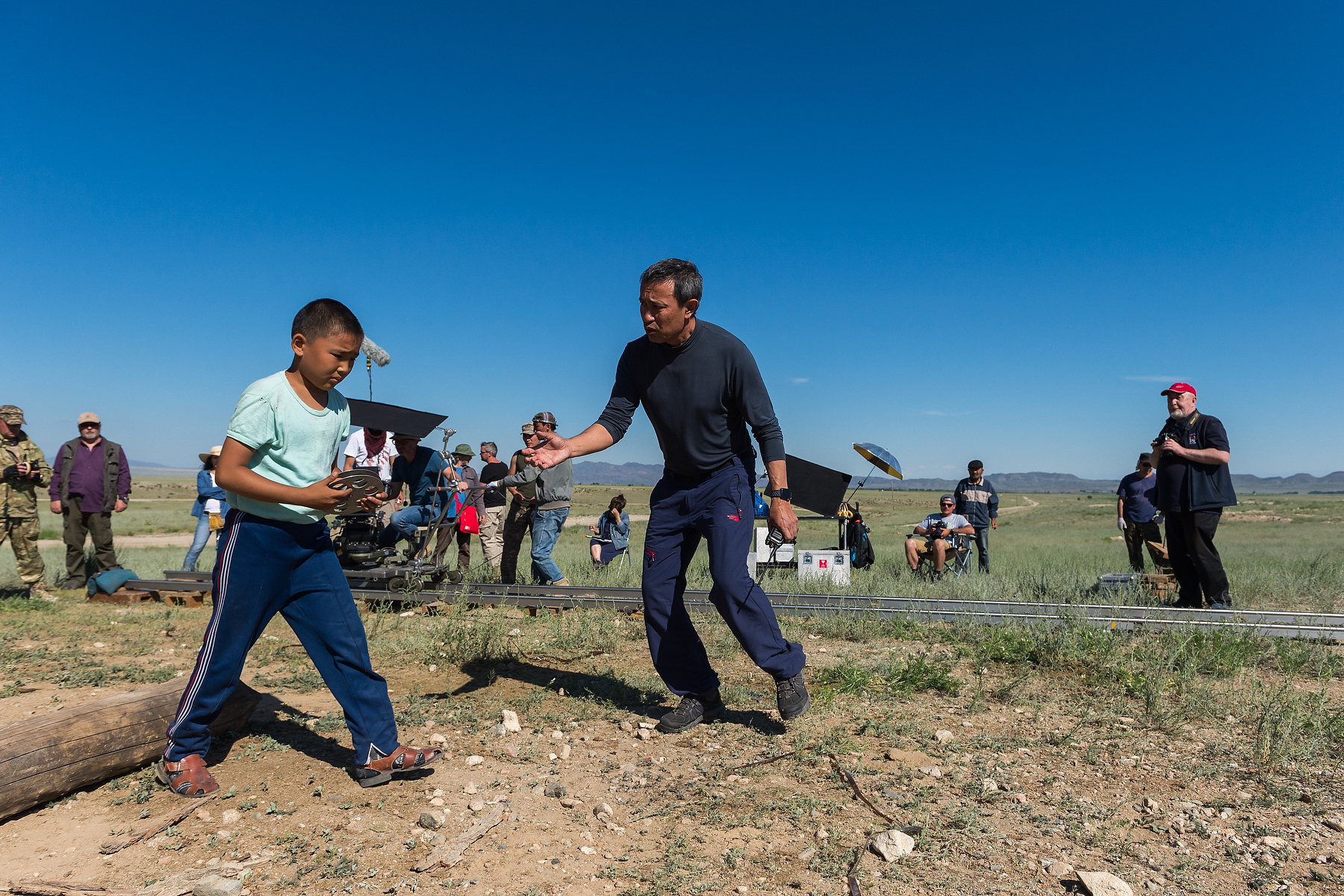
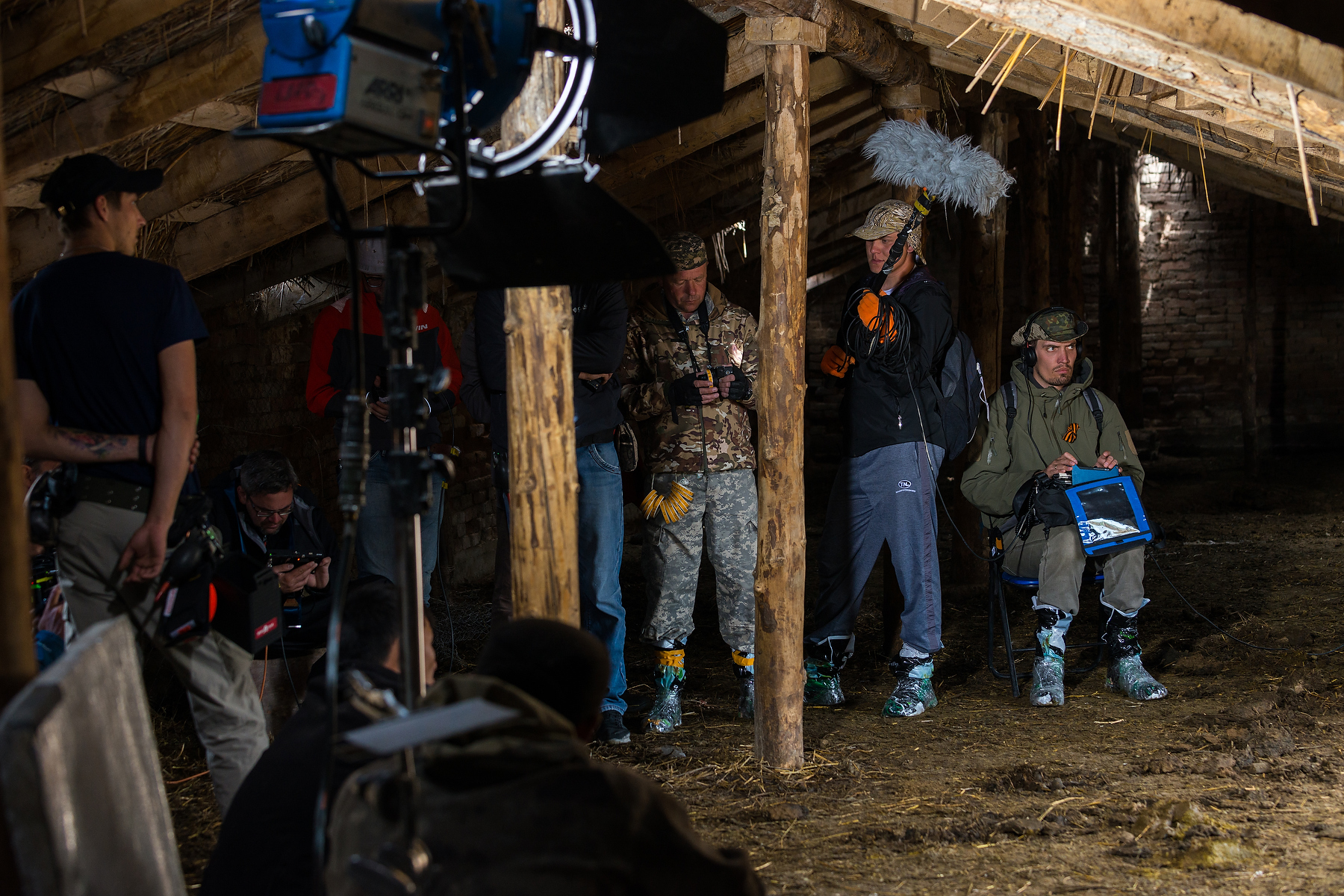
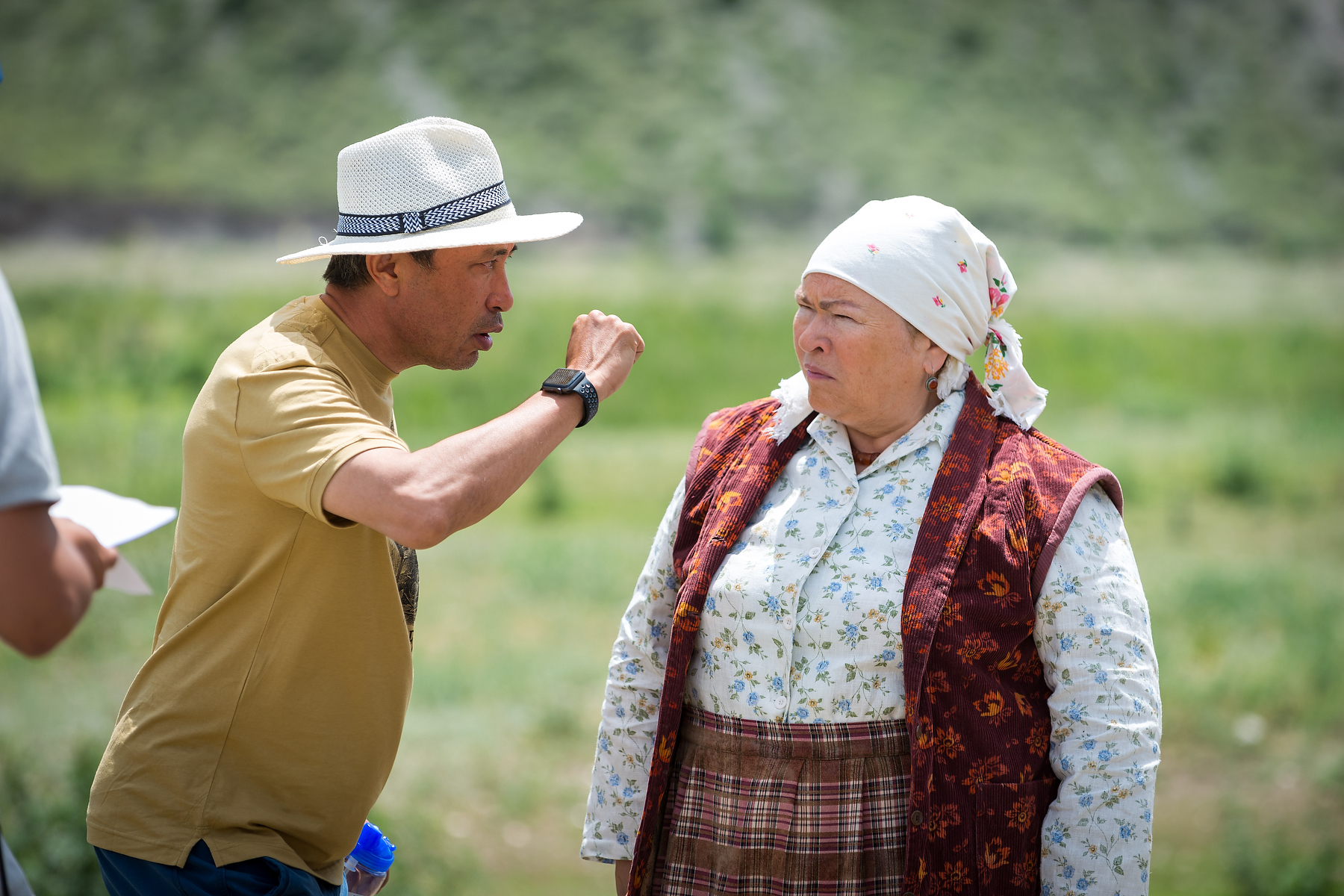
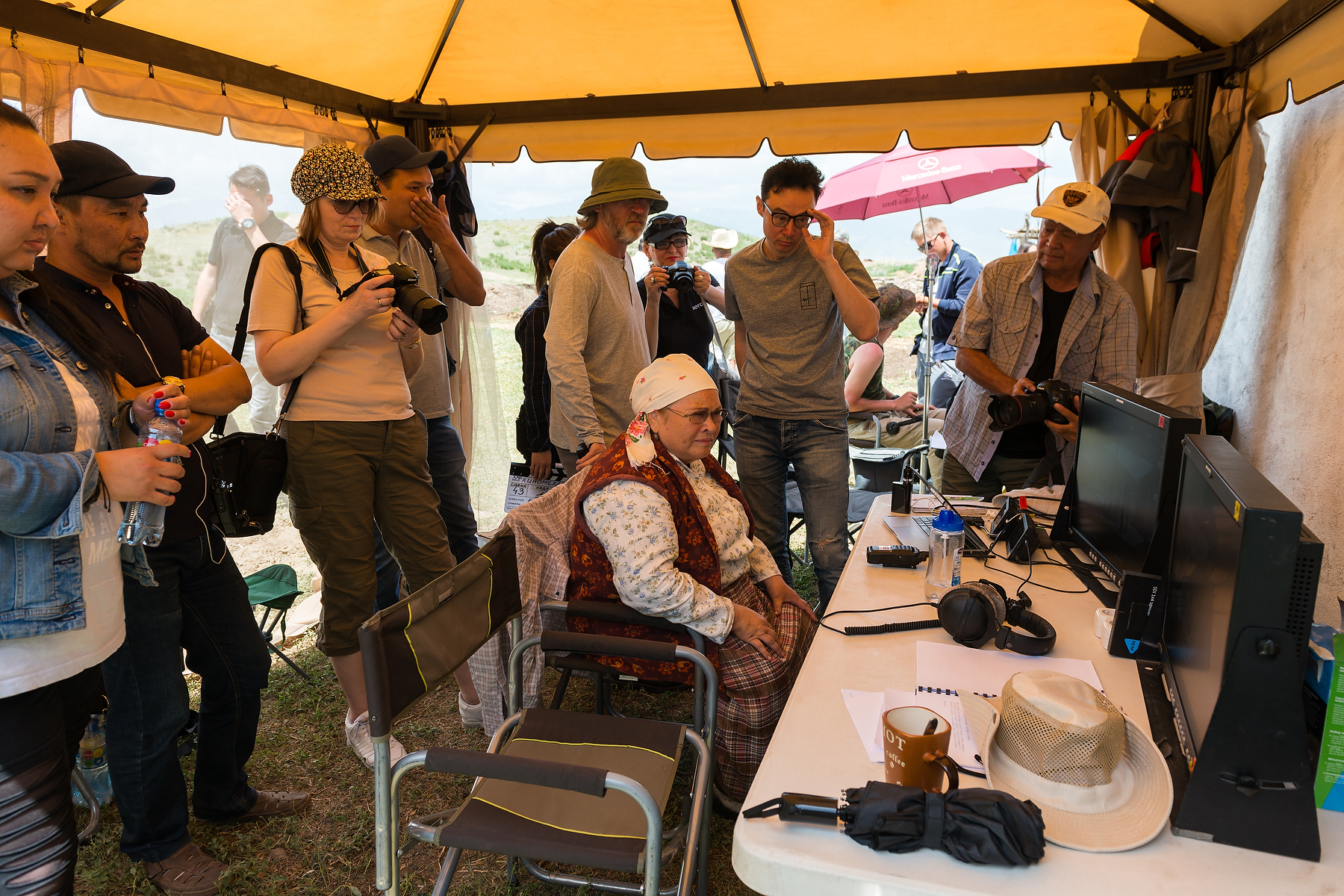
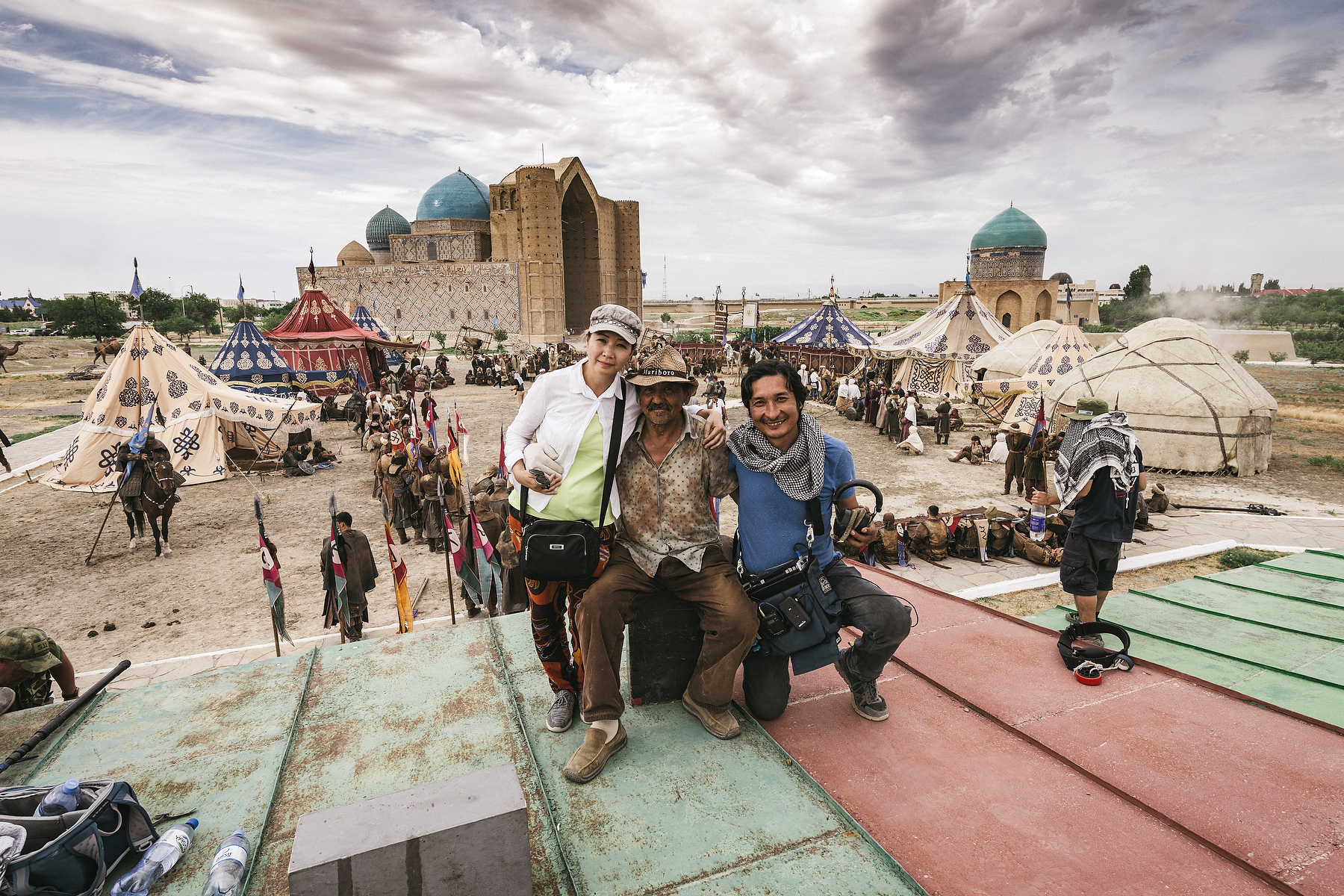
Behind-the-scenes photography turns the camera around. It documents the production itself: the director working with performers, camera and lighting departments building a shot, makeup and wardrobe, rehearsals, resets, locations and the small moments between takes.
Good BTS is not random crew photography. It should explain something about the scale, craft and atmosphere of the production without getting in the way. For producers and marketing teams, those images can be especially valuable while a project is being announced, promoted or discussed in the press.
The simplest difference: finished world versus making of
A unit still usually asks: what image best represents this scene, character or story? A BTS photograph asks: what does this image reveal about how the production was made?
That sounds straightforward, but on set the two can happen seconds apart. I might photograph a performance as a clean cinematic still, then move position and photograph the camera team, director and lighting setup around exactly the same scene. The subject changes, and so does the purpose of the image.
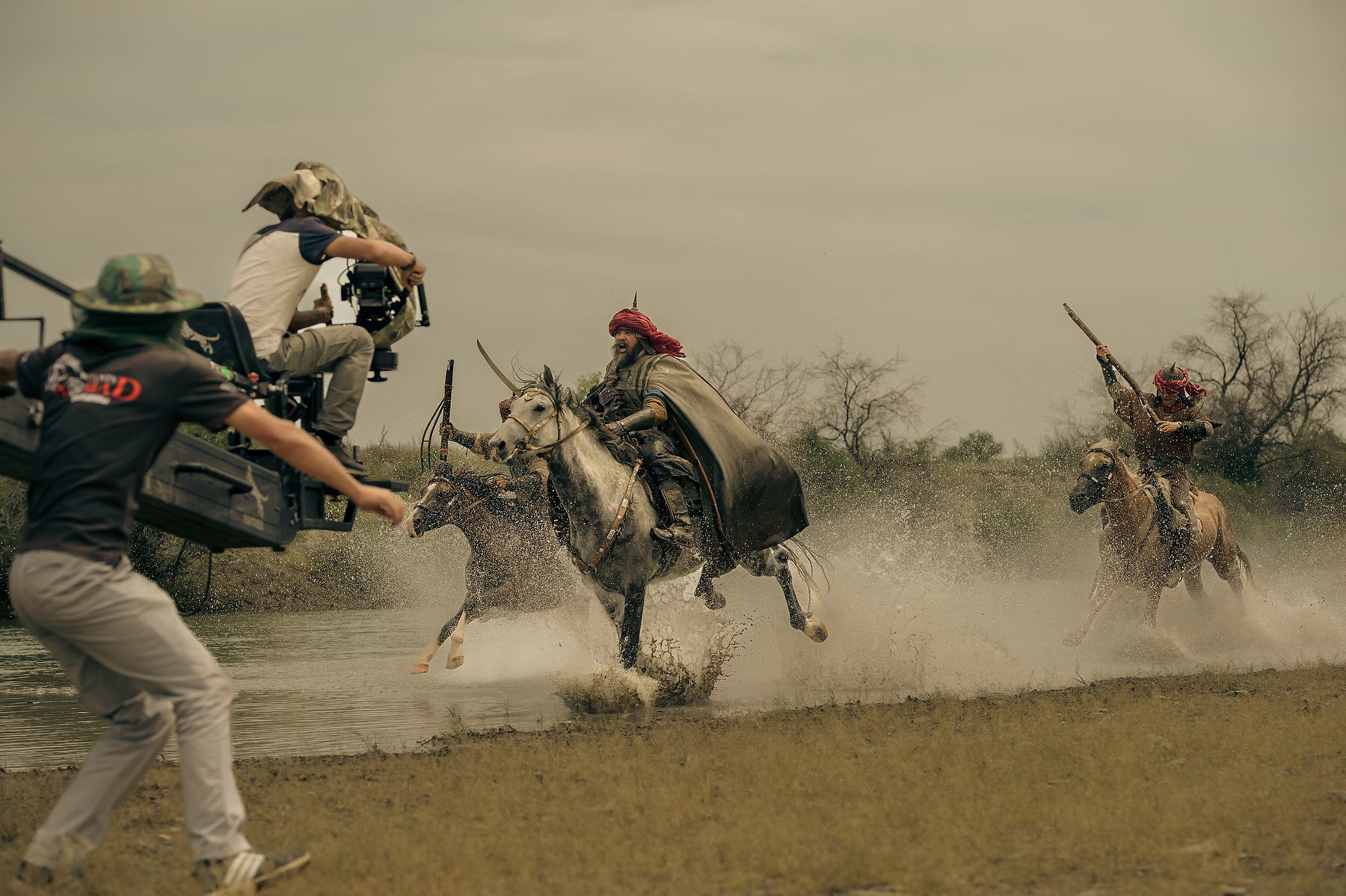
Why productions usually need both
Unit stills give a production polished images that can face outward. BTS gives it a visual record of the people and process behind the finished work. One helps present the story; the other helps tell the story of making it.
For a small production especially, planning both at the same time is efficient. Cast, costume, locations, production design and lighting are already there. The crew is already doing the real work. The photographer’s job is to recognise which moments need a clean publicity frame and which moments are worth documenting as behind the scenes.
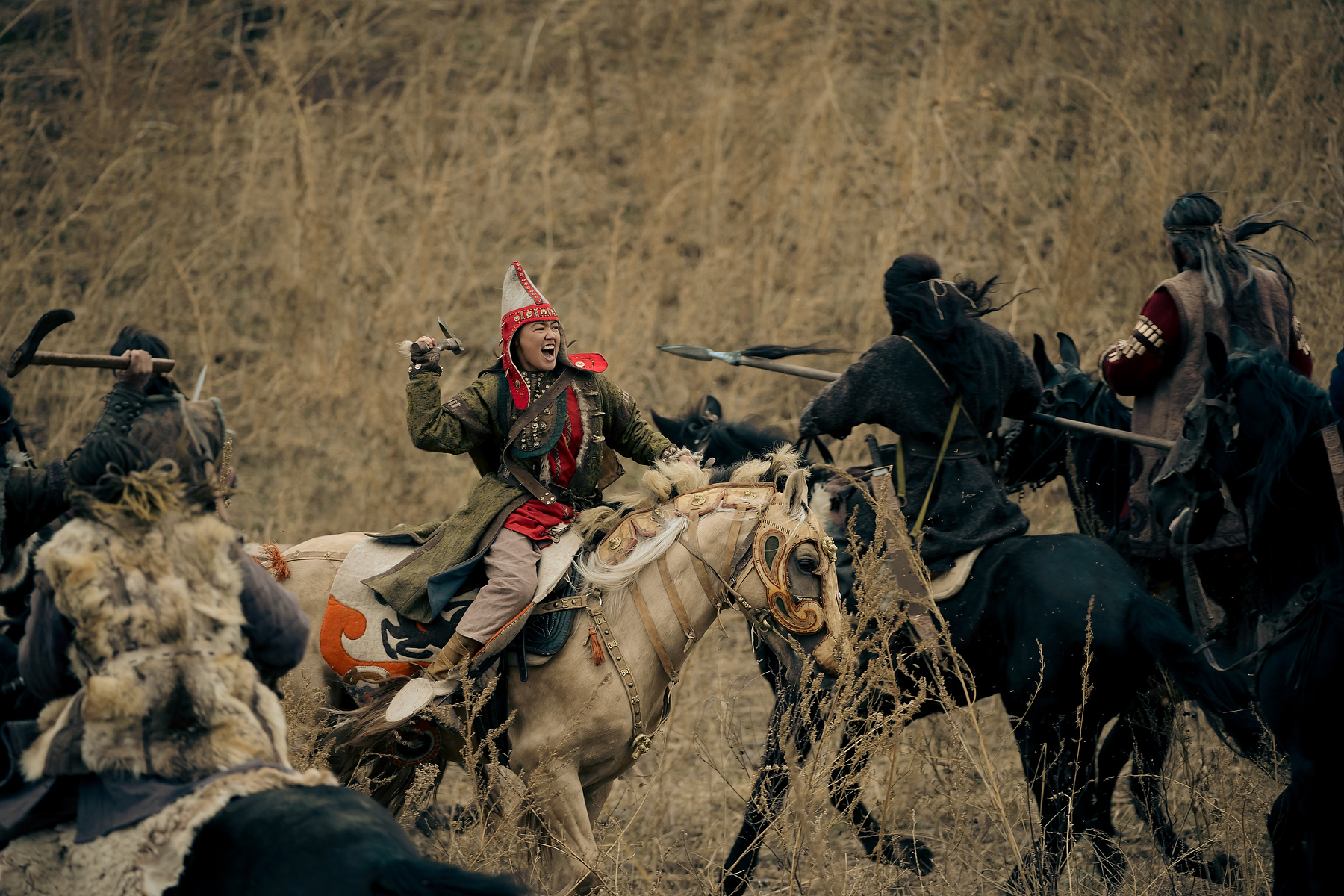
Can one photographer cover unit stills and BTS?
Often, yes. The important part is that the brief separates the two requirements. If everything is simply described as “BTS”, the production can finish with hundreds of interesting crew photographs but very few images suitable for publicity. If the brief asks only for unit stills, the production may lose the human story of how the work was created.
Before the shoot, it helps to identify priorities: key cast and scenes, hero moments, character combinations, important crew and departments, practical setups, vertical and horizontal requirements, embargoes and any moments where photography is restricted.
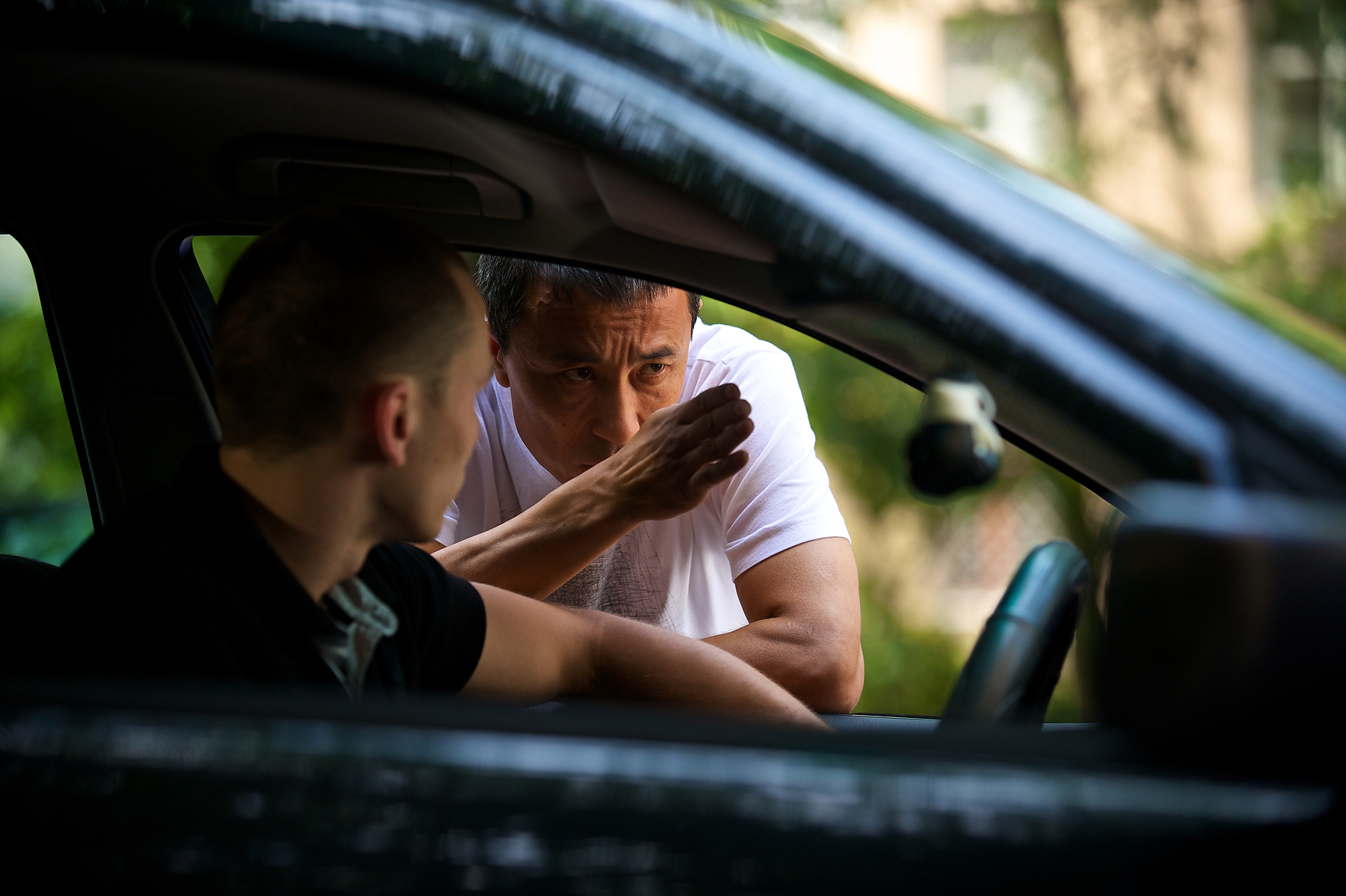
The photographer still has to work like part of the set
Whether shooting unit stills or BTS, the photographer cannot become another thing the crew has to manage. Timing matters. So does knowing where to stand, when a set is closed, when silence is essential and when a photograph simply is not worth disrupting the production.
The best opportunities are often brief. A performance reaches the right moment, the light lands correctly, or the director steps into a scene with the crew around them. You need to recognise the photograph quickly and then disappear back into the rhythm of the set.
That production awareness is one reason unit stills and BTS benefit from being planned rather than treated as an afterthought.
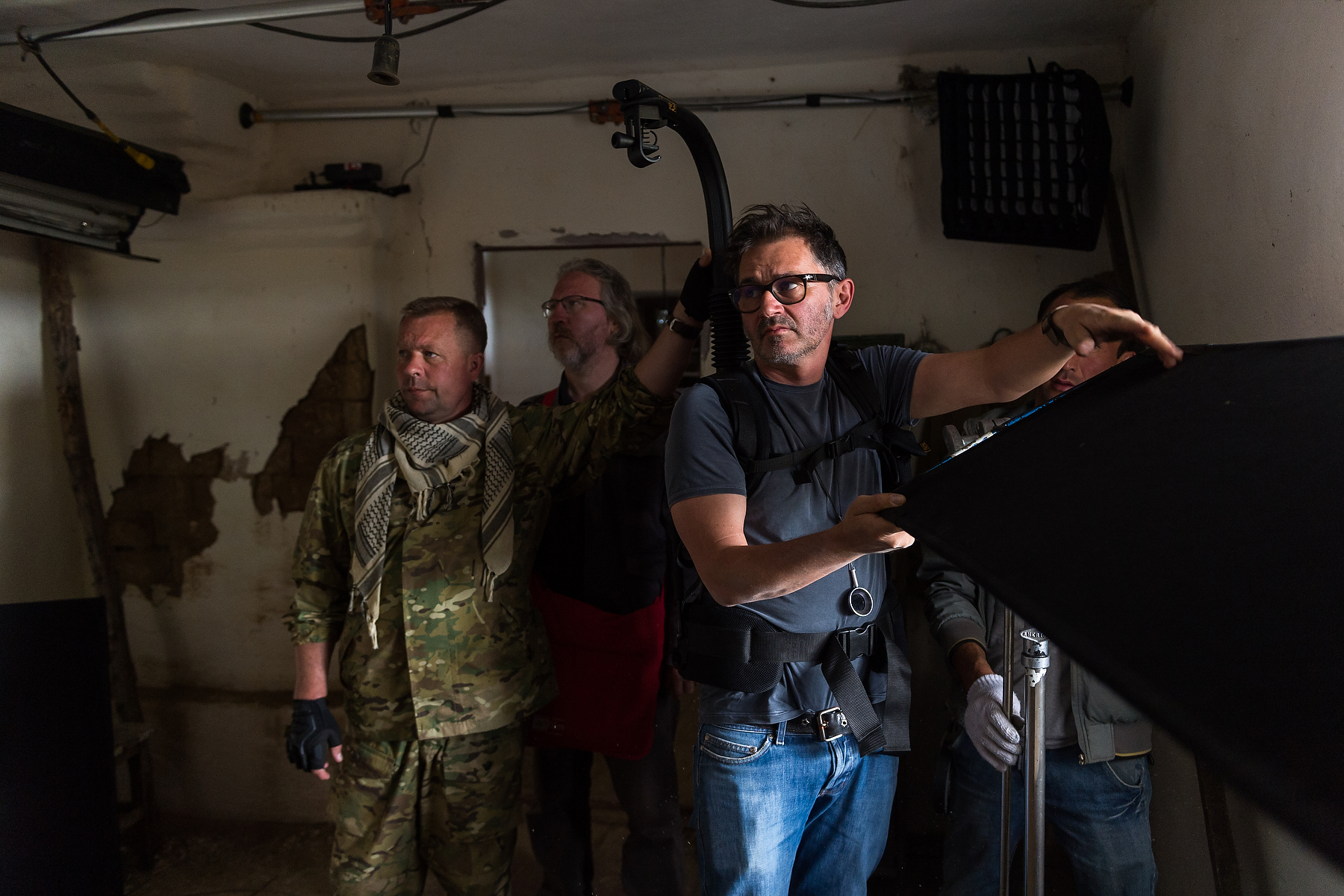
What should be in the brief?
A useful brief does not need to be complicated. Start with where the photographs will be used and who needs them. If publicity and marketing are important, identify the cast, scenes and combinations that cannot be missed. If BTS matters, note the key creative people, departments and production moments worth documenting.
Also flag anything sensitive: unreleased costumes, confidential products, minors, closed sets, spoilers or images that cannot be published until a particular date. A clear five-minute conversation before shooting can save a lot of confusion later.
That approach sits at the centre of Post Studio’s unit still and BTS photography and can be seen across the wider unit still portfolio. For productions planning coverage, the practical process — access, intended use, shot priorities and delivery — is outlined in our photography services and frequently asked questions.
Before wrap is when you still have the film.
Good unit still photography is insurance against a very avoidable problem: reaching the marketing stage and discovering that the images you need were never made.
The camera can stop rolling. The set can disappear. The stills are what remain available to designers, publicists, distributors, festivals and audiences. If those images are going to help sell the production, they need to be created while the production still exists.
BRISBANE · SOUTH EAST QUEENSLAND · AUSTRALIA
Planning a film, series or branded production?
Post Studio provides unit still photography and behind-the-scenes coverage in Brisbane, South East Queensland and on productions across Australia — with a production-aware approach designed for publicity, key art, press, social media and long-term campaign use.
Discuss unit still & BTS photography