
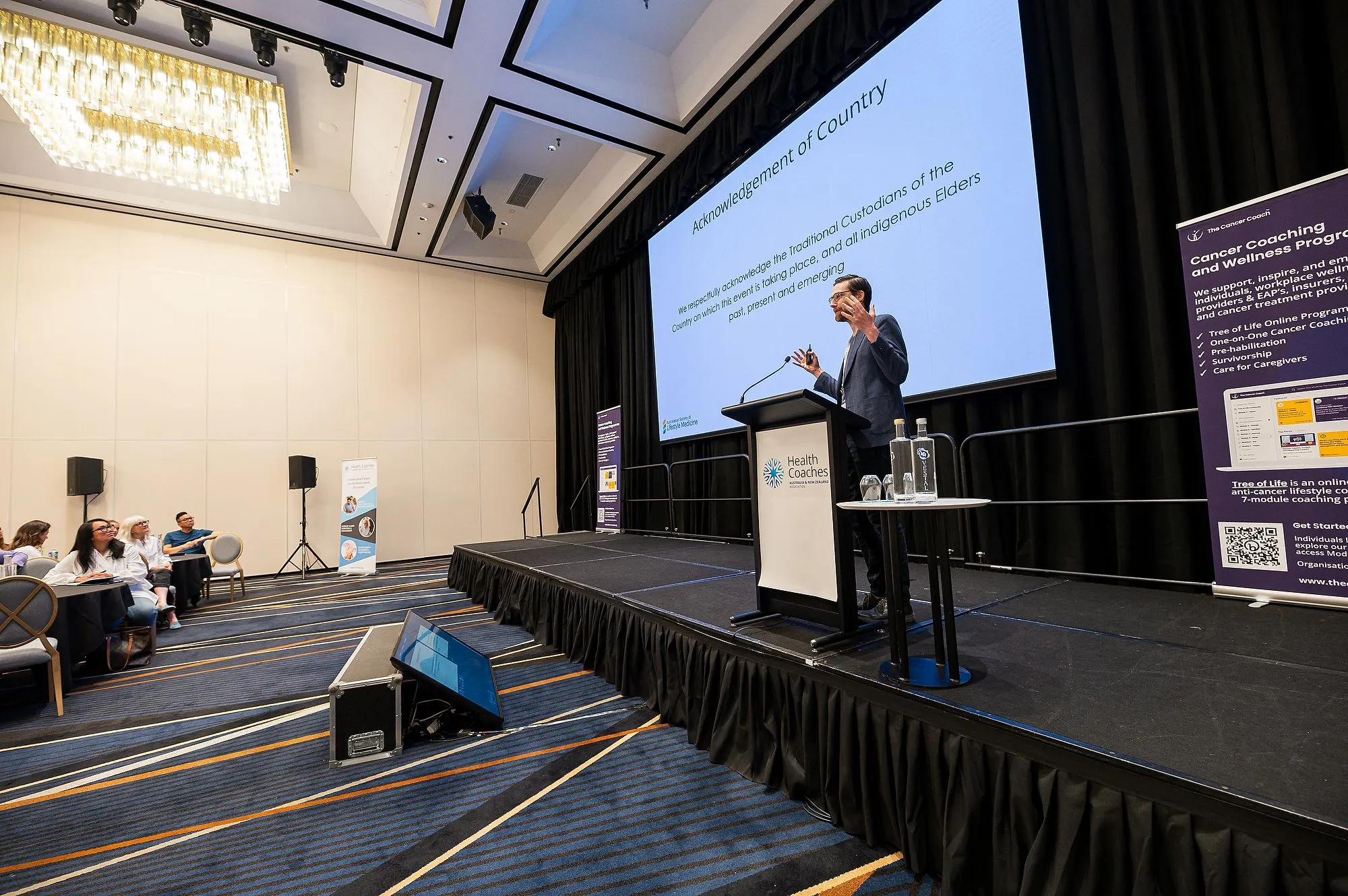
Good conference photography is not simply a visual record of who stood on stage. It is a working image library for the organiser, marketing team, sponsors, speakers and the next edition of the event.
That is why the most useful conference coverage is planned around outcomes rather than a generic shot list. Some photographs will be needed immediately for LinkedIn or media. Others will be used months later in sponsorship decks, event recaps, annual reports, venue proposals, speaker announcements and registrations for the next conference.
Start with the question: what will the photographs be used for?
Before discussing cameras, lighting or even the number of hours, the organiser should define the jobs the images need to do. A communications team may need strong keynote photographs and audience reactions for press. Sponsors may expect visible brand placement. The sales team may need networking and exhibition-floor imagery. The next campaign may require wide shots that clearly show a busy room.
Once those uses are clear, the photography schedule becomes much easier to build. The result is a broader and more useful gallery instead of hundreds of similar stage photographs.
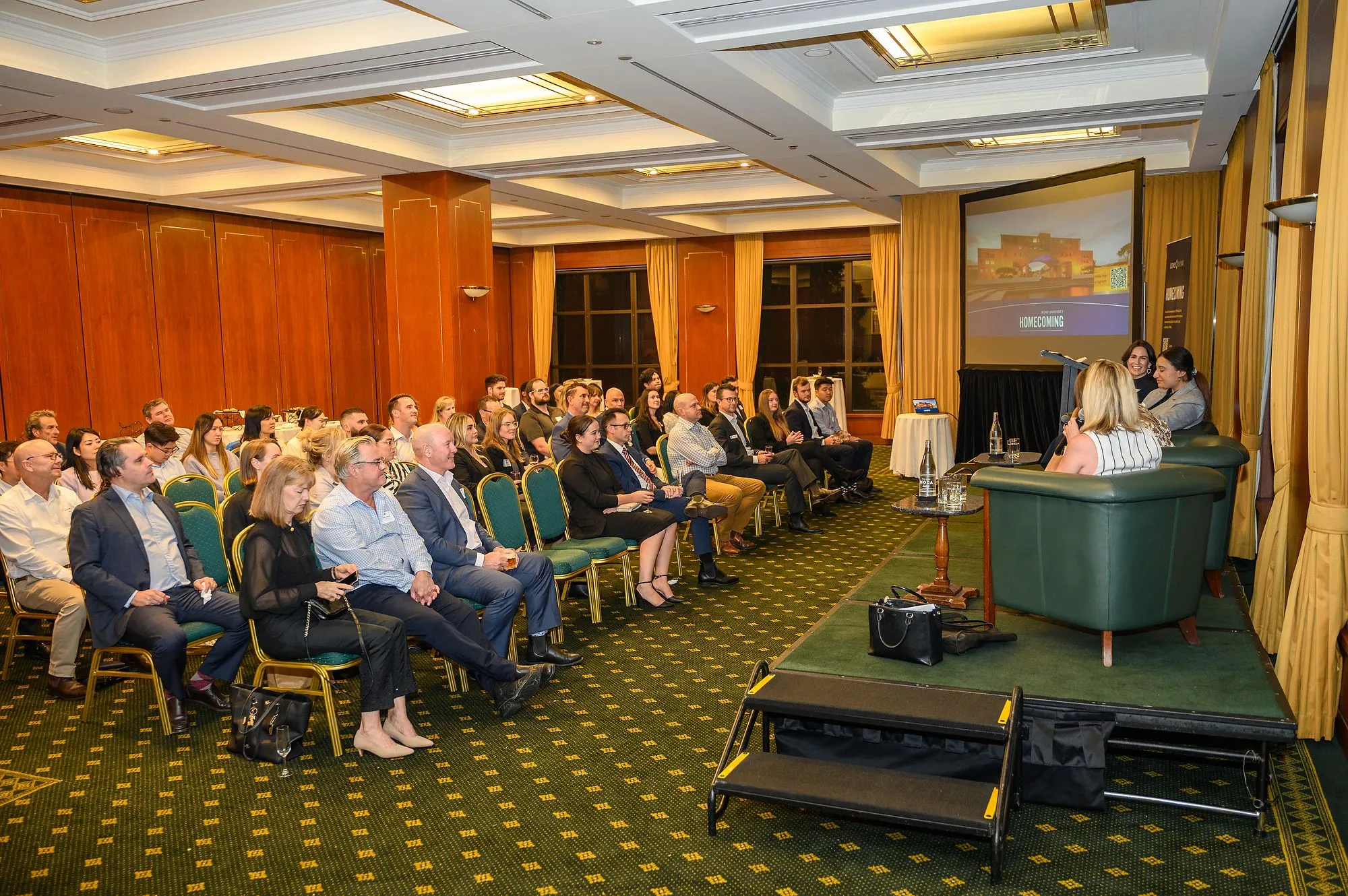
The essential conference photography coverage
Every event is different, but a useful conference gallery normally needs several layers of coverage working together.
Speakers and panels
Clean photographs of keynote speakers, panel discussions, Q&A sessions and presentations. The strongest images usually include expression, gesture, stage context and branding without relying on repetitive podium shots.
Audience and engagement
Listening, note-taking, laughter, questions and reactions make the event feel alive. These photographs are especially valuable when future marketing needs to demonstrate participation rather than simply show the stage.
Networking
Conversations between delegates, speakers and sponsors often communicate the value of a conference better than formal group photographs. These moments also give organisers more human material for social and editorial use.
Branding and sponsors
Signage, sponsor walls, screens, exhibition booths, branded activations and collateral need deliberate coverage. If sponsor visibility matters contractually, those priorities should be identified before the event.
Venue and scale
Wide room views, registration areas, breakout spaces and exhibition zones establish where the event happened and how large it felt. They are often among the most useful images for next-year promotion and venue relationships.
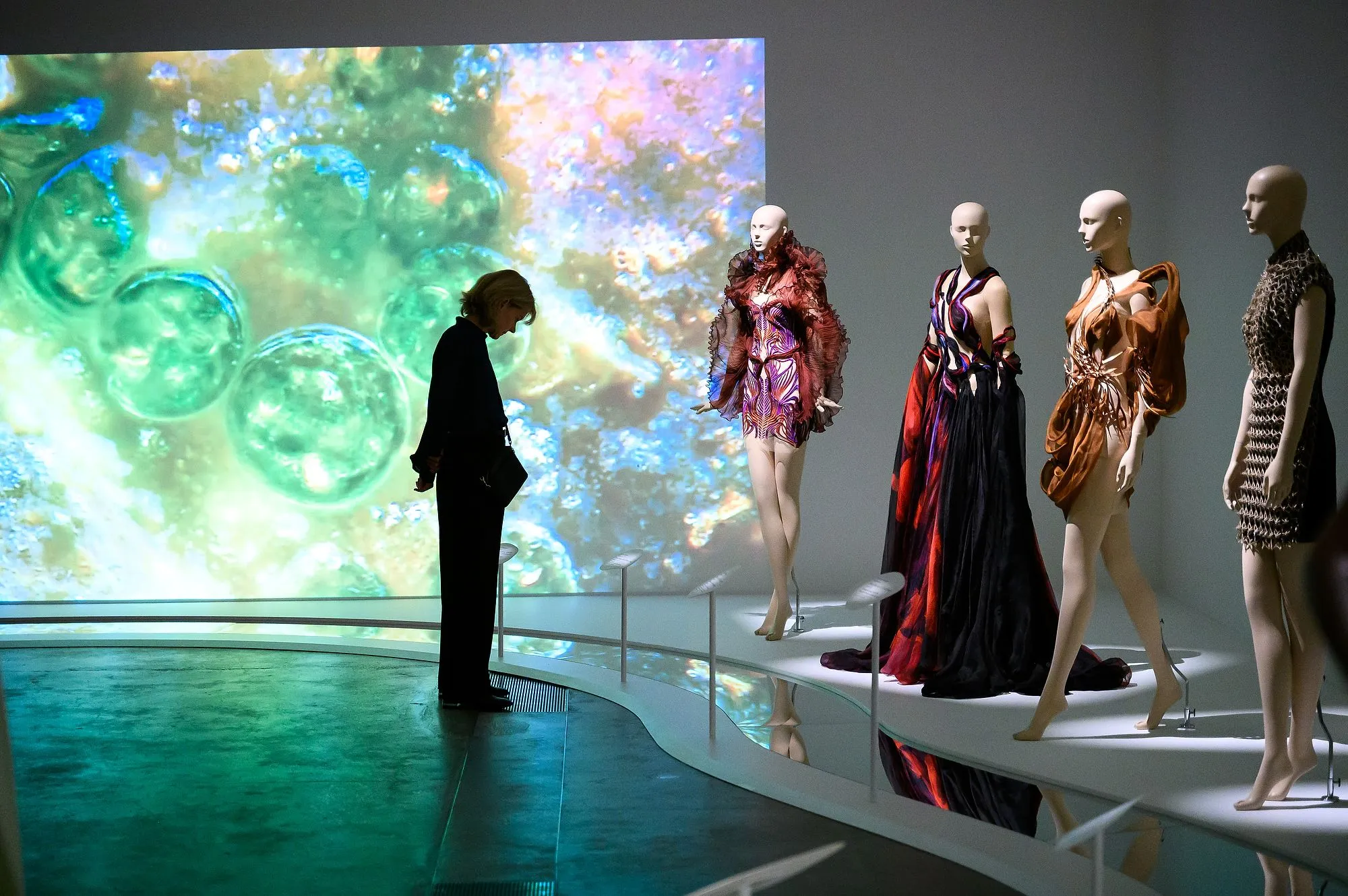
Details and atmosphere
Badges, programs, food, signage, presentation slides and small environmental details help complete the visual story and give designers useful supporting material.
Build the photography schedule around the event schedule
A photographer does not need every minute of an event explained, but the run sheet matters. Keynote times, panel sessions, sponsor moments, awards, VIP arrivals, breakout sessions and planned group photographs should be identified in advance.
It is also useful to mark moments that should not be photographed, sessions under embargo, restricted areas and any speakers with specific media requirements. A clear run sheet lets the photographer move ahead of the event rather than constantly react to it.
Do not forget the transitions
Some of the strongest conference photographs happen between programmed moments: delegates arriving, speakers talking off stage, people moving between sessions, a sponsor explaining a product, an organiser checking in with a guest. These images make the final gallery feel natural and are often easier to use in marketing because they do not depend on identifying a specific presentation.
How many hours of conference photography do you need?
There is no useful one-size-fits-all answer. A two-hour launch may need concentrated coverage around arrivals, a presentation and networking. A full conference may require half-day or full-day photography to show the complete experience.
The practical question is whether the photographer can capture every priority without large gaps in the story. If the opening keynote, sponsor activation and evening networking all matter, coverage should extend across those moments. If only one panel and a short reception need documenting, a shorter booking may be enough.
Ask for images in formats your team can actually use
Modern event marketing rarely uses one crop. Websites prefer horizontals, Instagram may need verticals, LinkedIn uses both, and media often asks for clean landscape photographs. A varied gallery should include wide, medium and tight compositions, with enough space around some subjects for text and design.
If your team needs fast social coverage, agree on priority delivery before the event. A small set of edited highlights can be delivered first, followed by the complete gallery. That is much more useful than discovering after the conference that marketing needed images several hours earlier.
What should you send your conference photographer?
A strong brief can be surprisingly short. Include the venue, event times, run sheet, priority speakers, sponsor obligations, VIPs, required group photographs, intended uses and any delivery deadline. Add a contact person who can answer questions on the day without sending the photographer through several layers of approval.
For larger events, it also helps to identify where the photographer can move during presentations and whether there are restrictions around stages, projection screens or recording areas.
Conference photography should help sell the next event
The value of a conference gallery is usually measured after the event. Strong images help organisers prove attendance and engagement, acknowledge sponsors, promote speakers, populate recap content and create the campaign for the next event.
That is the standard Post Studio works toward with event photography in Brisbane: natural coverage of the programmed moments, plus the people, branding and atmosphere around them. You can also see recent work in the event photography portfolio.
Planning a conference, corporate event or industry forum?
Send the date, venue, approximate hours and run sheet. Post Studio can help shape the photography coverage around the moments and deliverables your team actually needs.
Discuss conference photography ↗